
- 31/03/2026
- Dr. Kiran Ardad-Mane
- 0 Comments
- Dermatology
Home Remedies for Fungal Infections
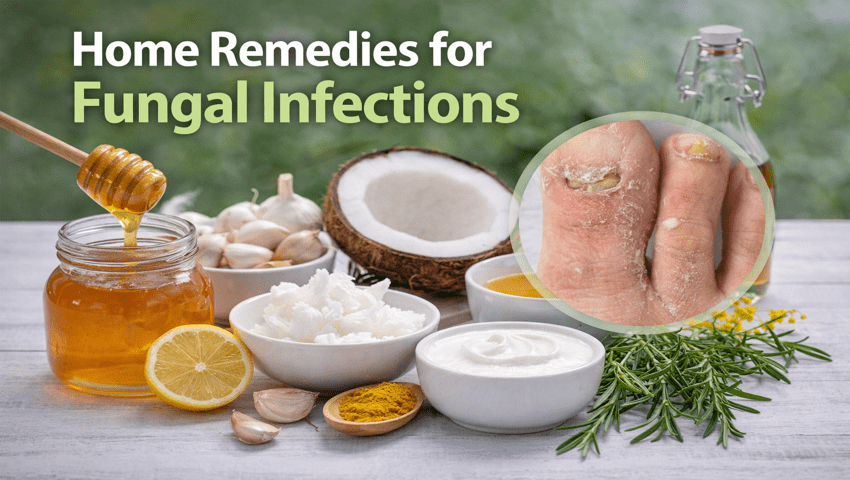
Itching, redness, and scaly patches are common signs that a fungus has taken a foothold on your skin. Especially in a humid climate like ours, these infections can spread quickly if not managed. While many people look for a fungal infection solution in their kitchen, it is important to know which remedies actually work and when you need a professional skin doctor in Wakad. Fungal infections are extremely common, affecting the feet, groin, and even the face. If you are searching for home remedies for fungal infections, you are likely looking for a natural way to soothe the irritation. Dr. Kiran Mane, the Best Skin Specialist In PCMC with over 10 years of experience, suggests that while nature provides many antifungal properties, they must be used correctly. At Leela Superspeciality Hospital, we believe in educating patients on both fungal treatment at home and advanced clinical care to ensure long-term relief.
What Is a Fungal Infection?
A fungal infection, or fungal disease treatment case, occurs when microscopic fungi multiply on the skin. Fungi thrive in warm, moist areas of the body. Common types include ringworm, athlete’s foot, and yeast infections.
- Fungus infection face: This can appear as red, ring-like patches or flaky skin on the cheeks and forehead.
- Transmission: It spreads through direct skin contact or by sharing towels, clothes, and combs.
- Symptoms: Persistent itching, burning sensation, and skin peeling.
Effective Home Remedies for Fungal Infections:
1. Tea Tree Oil:
Tea tree oil is a powerful natural remedy for skin fungal infections because it contains terpinen-4-ol, which kills many types of fungi and bacteria.
- How to use: Mix 2–3 drops of tea tree oil with a carrier oil like almond or coconut oil.
- Application: Apply it to the affected area with a cotton ball twice daily.
- Note: Never apply undiluted tea tree oil directly to the skin, as it can cause irritation.

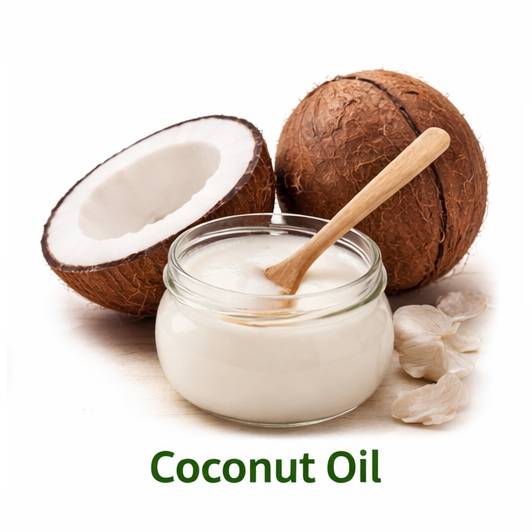
2. Coconut Oil:
Many patients ask, ” Is coconut oil antifungal? The answer is yes. It contains medium-chain fatty acids like lauric acid that disrupt the fungal cell membranes.
- Coconut oil for fungal infection: It is particularly good for sensitive areas and the scalp.
- Benefit: It acts as a mild fungal infection natural remedy while also moisturizing the skin to prevent cracking.
3. Garlic:
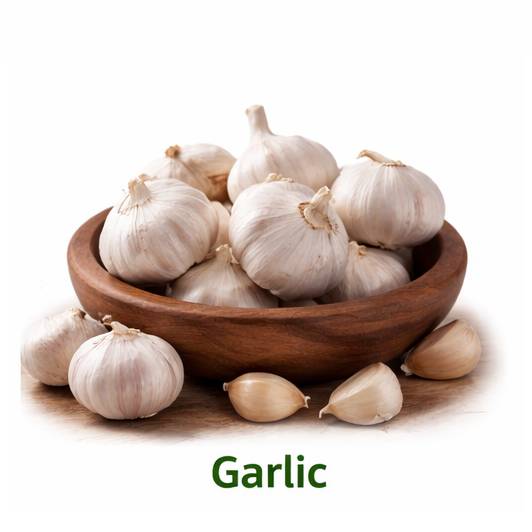
Garlic is one of the oldest home remedies for skin fungal infection. It contains ajoene, a compound known to be very effective against fungus.
- Can garlic remove ringworm? Yes, crushed garlic paste can help, but it is very strong.
- How to use: Crush a few cloves into a paste and mix with a bit of olive oil. Apply for 30 minutes and wash off. If it stings too much, wash it off immediately.
4. Apple Cider Vinegar (ACV):
ACV has acidic properties that regulate the skin’s pH, making it difficult for fungus to survive. It is a popular fungal treatment at home for athlete’s foot and nail fungus.
- Application: Mix equal parts of ACV and water. Soak a cotton pad and dab the area.
- Foot Soak: For foot fungus, soak your feet in an ACV-water bath for 15 minutes daily.

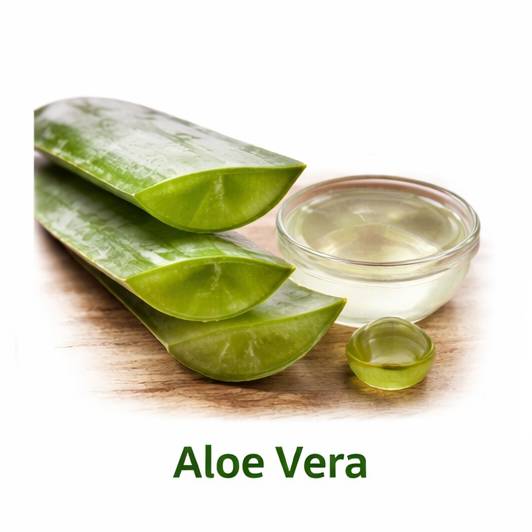
5. Aloe Vera:
If you want to know how to use aloe vera for fungal infections, focus on its soothing and cooling properties. While it may not kill all types of fungus, it stops the infection from spreading by inhibiting growth.
- Application: Use pure, fresh gel from the leaf. Apply a thick layer and leave it on. It is excellent for reducing the “burning” feeling of a fungus infection face.
6. Turmeric:
Turmeric (Haldi) is a staple anti fungal home remedy in Indian households due to its ingredient, curcumin.
- How to use: Mix turmeric powder with a little water or honey to make a paste.
- Benefit: It provides a safe treatment for fungal infection skin by reducing inflammation and preventing secondary bacterial infections.

Lifestyle Tips to Support Healing:
To cure skin infection at home, you must change the environment that the fungus loves:
- Keep it Dry: Fungus loves moisture. After bathing, pat the area completely dry.
- Wear Loose Clothes: Use cotton fabrics that allow your skin to breathe.
- Don’t Scratch: Scratching causes micro-tears in the skin, allowing the infection to go deeper.
- Wash Gear: Regularly wash your gym clothes, towels, and bedsheets in hot water.
How to Prevent Fungal Infection?
Prevention is better than any fungus on skin home remedies.
- Avoid Sharing: Never share personal items like razors or towels.
- Footwear: Wear flip-flops in public showers or locker rooms.
- Probiotics: Eating curd (yogurt) helps maintain healthy bacteria in your body, which naturally fights off yeast.
When Home Remedies Are Not Enough?
While natural treatments for fungal infections work for minor rashes, you must seek medical help if:
- The infection spreads to other parts of the body.
- You see pus, or the area becomes warm and painful (signs of bacterial infection).
- You have a weakened immune system or diabetes.
- The “home fungal infection solution” shows no improvement after 7–10 days.
Treatment of Fungal Disease at Leela Superspeciality Hospital:
At Leela Superspeciality Hospital, we provide advanced fungal disease treatment that goes beyond the surface. When you consult Dr. Kiran Mane, she uses specialized skin scrapings and examinations to identify the exact strain of fungus.
Our clinical treatments include:
- Prescription Antifungals: Stronger creams and tablets that work faster than home remedies and antifungal
- Medicated Cleansers: To prevent the recurrence of the infection.
- Laser Therapy: For stubborn nail fungus that does not respond to creams.
Conclusion:
Managing a skin infection requires patience and the right fungal infection solution. While natural treatments for fungal infections provide great relief for mild issues, don’t let a small rash turn into a major problem.
If your symptoms persist, it is time to consult Dr. Kiran Mane at Leela Superspeciality Hospital for expert guidance. Your skin health is our priority. To book an appointment, please call 7689892020 / 9322300500 and take the first step toward clear, healthy skin.
Frequently Asked Questions (FAQ's):
You can start with home remedies for skin fungal infection, like tea tree oil or ACV. However, the most reliable treatment for fungal skin infections is to keep the area dry and use an antifungal cream prescribed by a specialist.
Yes, coconut oil for fungal infection is effective because it contains fatty acids that kill fungal cells. It is best used as a supportive fungus infection natural remedy.
Lemon has some antifungal properties due to its acidity, but it can be very harsh and irritate the skin. It is usually not the first choice for fungal treatment at home.
Yes, garlic has potent antifungal compounds. Applying a garlic-oil paste is a common home remedy for a fungal skin infection, but use it carefully to avoid “garlic burns” on sensitive skin.
Apply fresh aloe vera gel directly to the rash 2–3 times a day. It helps soothe the itch and creates a protective barrier against further infection.
