
- 27/06/2025
- Dr. Kiran Ardad-Mane
- 0 Comments
- Dermatology
Ingrown Toenails: Signs, Causes, Treatment & Prevention
Ingrown toenails are a common yet often painful foot issue that impacts people of all ages. Though it may seem like a minor issue at first, if left untreated, it can lead to infection and severe complications, especially for individuals with diabetes or compromised immunity. At Leela Superspeciality Hospital, Dr. Kiran Ardad-Mane offers expert diagnosis and advanced treatment options to provide lasting relief from ingrown toenails. In this blog, we will discuss what an ingrown toenail is, its symptoms, common causes, treatment methods, and preventive measures you can take to keep your feet healthy.
What is an Ingrown Toenail?
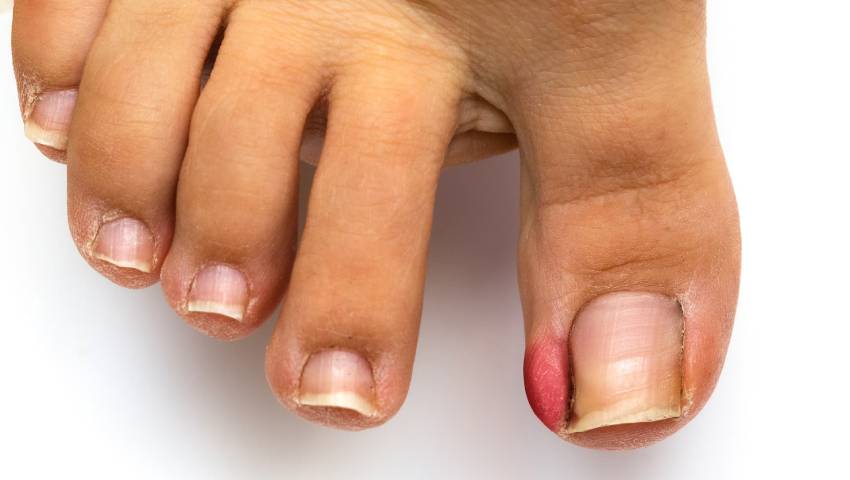
An ingrown toenail happens when the edge of the toenail grows into the surrounding skin instead of over it. This usually happens on the big toe but can affect any toe. As the nail pierces the skin, it causes redness, swelling, pain, and in some cases, infection.
Common Signs and Symptoms of Ingrown Toenails:
Recognizing an ingrown toenail early can prevent it from worsening. Key symptoms include:
- Pain or tenderness along one or both sides of the toenail
- Redness and swelling around the nail
- Inflamed or infected skin, sometimes accompanied by pus or fluid discharge
- Overgrowth of skin near the nail edge
- Difficulty wearing shoes or walking due to discomfort
If the infection progresses, symptoms can include intense pain, foul odor, and fever in rare cases, indicating the need for prompt medical attention.
Causes of Ingrown Toenails:
Understanding the root causes can help in better prevention and management. Some of the most common reasons include:
- Improper Nail Trimming: Cutting toenails too short or curving the edges promotes the nail to grow into the surrounding skin.
- Tight or Ill-Fitting Footwear: Shoes that compress the toes—such as high heels or narrow-toed shoes—can push the nail into the skin.
- Injury or Trauma: Stubbing the toe or repeated pressure from activities like running or playing sports can contribute to ingrown toenails.
- Genetic Predisposition: Some people have naturally curved or thick toenails that are more prone to becoming ingrown.
- Poor Foot Hygiene: Sweaty or unclean feet can soften the skin around the nail, making it more susceptible to ingrowth.
- Underlying Medical Conditions: Conditions like diabetes, fungal nail infections, or arthritis can improve the risk.
When to See a Doctor?
While mild cases may be managed at home, it’s important to seek professional care when:
- There is severe pain or swelling
- Signs of infection (pus, warmth, foul smell) are present
- The condition keeps recurring
- You have diabetes or poor circulation, which raises the risk of complications
Dr. Kiran Ardad-Mane at Leela Superspeciality Hospital offers both conservative and surgical options for treatment, depending on the severity.
Treatment Options for Ingrown Toenails:
Dr. Kiran Ardad-Mane offers both conservative and advanced treatment methods depending on the severity of the ingrown toenail.
- Home Remedies for Mild Cases
- Soaking the foot in warm water with Epsom salt to reduce swelling and pain
- Applying antibiotic ointment and maintaining the area clean and dry
- Wearing open-toed or comfortable shoes to avoid pressure
- Utilizing cotton or dental floss to gently lift the nail edge
- Non-Surgical Medical Treatment: For moderate cases:
- Oral antibiotics may be prescribed to manage infection.
- Professional nail trimming and lifting of the ingrown edge
- Use of specialized braces or splints to guide nail growth
- Surgical Treatment: When conservative methods fail, surgery may be necessary. Common procedures include:
- Partial Nail Avulsion: Removal of part of the nail under local anesthesia. Often accompanied by phenolization, a chemical used to prevent regrowth of the affected nail portion.
- Complete Nail Removal: In cases of recurrent or severe infections.
- Matrixectomy: Destruction or removal of the nail root to permanently control recurrence.
Dr. Kiran Ardad-Mane specializes in minimally invasive nail techniques that provide quicker healing and less discomfort. Most patients can return to normal movements within a few days of surgery.
Preventing Ingrown Toenails: Tips from Dr. Kiran Ardad-Mane:
Prevention is always better than cure. Here are some effective tips to avoid the recurrence of ingrown toenails:
- Trim Nails Properly: Always cut your toenails straight across. Avoid curving the edges, and don’t cut them too short.
- Choose Comfortable Footwear: Wear shoes with a wide toe box to prevent excessive pressure on the toes.
- Maintain Foot Hygiene: Keep your feet clean and dry. Change socks daily and wash your feet regularly.
- Protect Your Feet: Avoid trauma by wearing protective footwear, especially during sports or physical work.
- Avoid Self-Treatment for Chronic Issues: If you frequently suffer from ingrown toenails, seek medical advice instead of relying on home remedies.
- Monitor Existing Medical Conditions: Patients with diabetes or circulation issues should have their feet checked regularly by a podiatrist to avoid complications.
Conclusion:
Ingrown toenails, though often overlooked, can cause serious discomfort and complications if left untreated. By identifying the signs early, understanding the causes, and seeking timely treatment, you can avoid pain and long-term issues. Whether you need simple advice or advanced surgical intervention, Dr. Kiran Ardad-Mane and the team at Leela Superspeciality Hospital are here to help you walk pain-free again. Take the first step towards healthy feet, book your appointment today!
