
- 26/12/2025
- Dr. Kiran Ardad-Mane
- 0 Comments
- Dermatology
Latest Keloid Treatments in Pune: Laser, Injections & Advanced Non-Surgical Options
Keloids are one of the most challenging skin concerns, especially among individuals with sensitive or acne-prone skin. They are stubborn, raised scars that often continue to grow beyond the original wound. With advancements in dermatology, Keloid Treatments in Pune have significantly improved, offering safer and more effective options with minimal downtime. At Leela Superspeciality Hospital, under the expertise of Dr. Kiran Ardad Mane, patients can now access world-class, non-surgical, and laser-based therapies for long-lasting results. Whether your keloid formed due to acne, surgery, burns, or piercings, early and appropriate intervention can dramatically improve the outcome.
What is a Keloid?
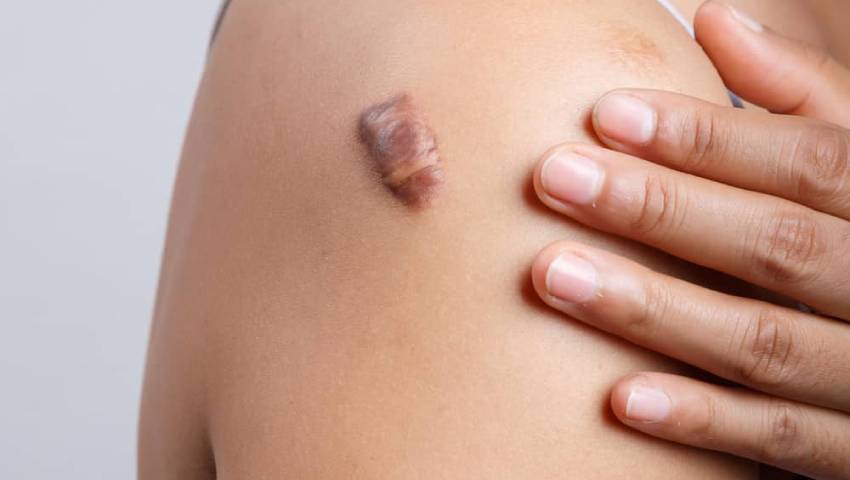
A keloid is a thick, raised scar caused by excess collagen production during the healing process. Unlike normal scars, keloids do not stop growing on their own. They can become itchy, painful, or cosmetically uncomfortable. Keloids commonly appear on the chest, shoulders, jawline, arms, and earlobes.
Because of their tendency to return, keloids need specialised medical care. Options such as keloid treatment injection help reduce thickness, pain, and redness over time. In some early or mild cases, a doctor may also recommend a cream for keloid treatment to support healing and control growth.
Choosing the best hospital for keloid treatment is important for safe and long-lasting results. With access to advanced techniques and expert care, keloid treatment in Pune focuses on effective scar control while reducing the risk of recurrence.
Types of Keloids:
Understanding the type of keloid helps determine the best treatment approach. The main types include:
- Acne-Related Keloids: Raised scars that develop after severe acne or repeated breakouts on the chest, back, or jawline.
- Post-Surgical Keloids: Scars that grow excessively after surgical incisions such as C-sections, mole removal, or orthopedic procedures.
- Ear Piercing or Trauma-Induced Keloids: Very common on the earlobes due to piercing, injury, or repeated friction.
- Burn-Related Keloids: Thick, large scars that form after burns or scald injuries.
- Spontaneous Keloids: Occurring without an obvious trigger, often due to genetic predisposition or hyperactive fibroblasts.
Latest Non-Surgical Keloid Treatments in Pune – Leela Superspeciality Hospital:
- Intralesional Steroid Injections: One of the most proven treatments, keloid injections (Triamcinolone) reduce inflammation, flatten the scar, and relieve itching or pain. Sessions are spaced 3–4 weeks apart and work best for early and moderate-sized keloids.
- 5-FU + Steroid Combination Therapy: For resistant or large keloids, 5-Fluorouracil (5-FU) is combined with steroids to improve response. This therapy helps shrink keloids faster and prevents recurrence more effectively.
- Advanced Laser Keloid Treatment (CO₂ Laser / Fractional Laser): Laser therapy is one of the most advanced options for keloid treatments in Pune today.
- Softening and flattening thick scars
- Improving texture and appearance
- Allowing better penetration of topical or injectable medicines
- Cryotherapy (Liquid Nitrogen Therapy): Cryotherapy freezes the keloid to reduce its size and thickness. It is often combined with injections for enhanced results. It is particularly effective for smaller keloids and earlobe scars.
- Silicone Gel Therapy: Silicone sheets or gels help flatten early scars and prevent future keloid growth. They are recommended as part of post-laser or post-injection care.
- Pressure Therapy for Ear Keloids: Specialized pressure earrings are used for ear keloids to prevent regrowth after treatment. This is often combined with laser or injections.
- Laser-Assisted Drug Delivery: A new and advanced method where fractional laser creates tiny channels in the skin to deliver anti-keloid medications deeper. This boosts effectiveness without increasing invasiveness.
Best Keloid Treatment in Pune – Dr. Kiran Ardad Mane:
Choosing the right specialist is the most important step in achieving long term keloid reduction. Dr. Kiran Ardad Mane is widely regarded as one of the leading experts for keloid treatment near me searches in Pune. He is known for advanced laser skills, evidence based protocols, and consistent patient outcomes. His scientific and structured approach makes him a preferred choice for mild to complex keloids.
For each patient, Dr. Kiran Ardad Mane focuses on identifying the root cause and studying the behaviour of the scar. He then plans a step by step treatment approach that balances safety with visible results. While some patients try keloid treatment home remedies before consulting a specialist, medical evaluation is essential for lasting improvement. In selected cases, keloid treatment surgery may be advised along with supportive therapies to reduce recurrence.
With access to modern laser platforms, precision drug delivery techniques, and non surgical technologies at Leela Superspeciality Hospital, patients receive personalized and result oriented care. Dr. Kiran Ardad Mane emphasis on recurrence control and long term follow up helps ensure stable and sustainable outcomes.
Conclusion:
Modern dermatology offers highly effective and minimally invasive solutions for stubborn keloids. With advanced options like laser therapy, cryotherapy, 5-FU injections, and laser-assisted drug delivery, keloid treatments in Pune are now safer and more result-oriented than ever.
For patients seeking expert care, Dr. Kiran Ardad Mane at Leela Superspeciality Hospital provides personalized, evidence-based, and advanced non-surgical keloid treatment options. Early consultation and a customized plan can significantly improve outcomes and prevent recurrence.
Frequently Asked Questions (FAQs):
A keloid is a raised scar that develops due to excess collagen during wound healing. Unlike normal scars, it grows beyond the original injury and does not shrink on its own.
In keloid scar vs hypertrophic scar comparison, keloids grow outside the wound margins and may continue to enlarge. Hypertrophic scars stay within the wound area and often improve with time.
Many patients ask is keloid curable or can keloids be removed. Keloids can be controlled effectively, but complete cure is rare. Proper treatment helps flatten scars and reduce symptoms with long term control.
Treatment options include keloid treatment injection, laser therapy, and in selected cases keloid treatment surgery. Early stage scars may also respond to a prescribed cream for keloid treatment.
Yes, keloid treatment before and after results usually show reduced thickness, improved texture, and less discomfort when treated under medical supervision.
Keloid treatment home remedies may help reduce mild irritation, but they cannot stop keloid growth. Medical treatment is necessary for long lasting results.
If you are searching for keloid treatment near me, choosing the best hospital for keloid treatment is important. Keloid treatment in Pune is available at specialized centers with experienced dermatologists and advanced technology.
