
- 01/07/2025
- Dr. Kiran Ardad-Mane
- 0 Comments
- Dermatology
Hormonal Acne Explained: Causes, Symptoms & Treatment in Pune
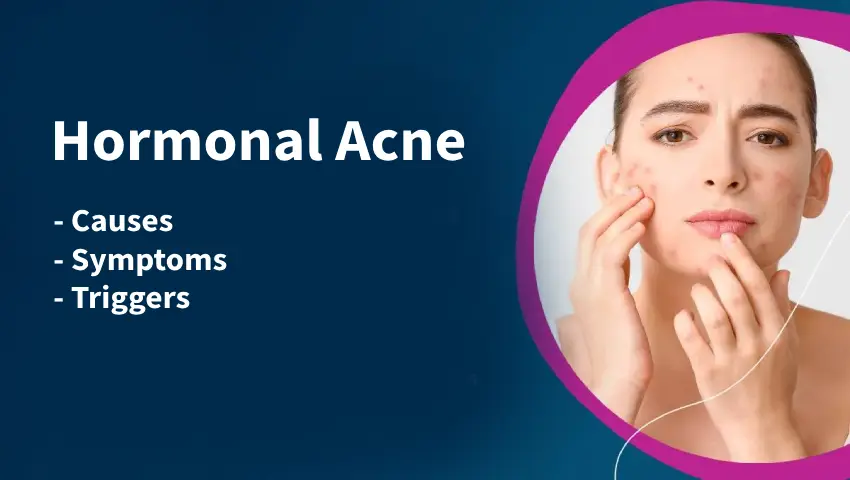
Acne is one of the most common skin problems affecting people of all ages, but when it is caused by hormonal imbalances, it needs a specific understanding and tailored treatment approach. Hormonal acne, unlike typical adolescent acne, often persists or reappears in adulthood and is deeply rooted in internal changes that go beyond just clogged pores and surface bacteria. At Leela Superspeciality Hospital, Dr. Kiran Ardad-Mane—a renowned dermatologist in Pune with expertise in treating complex skin issues—emphasizes the importance of addressing the root hormonal causes to achieve long-term relief and skin health. In this blog, we’ll dive into the causes, symptoms, and common triggers of hormonal acne, along with insights into its management.
What is Hormonal Acne?
Hormonal acne, as the name suggests, is acne that is directly influenced by fluctuations in hormone levels. Unlike typical acne that may be caused by poor hygiene or surface bacteria, hormonal acne stems from internal imbalances, primarily involving androgens (male hormones that are present in both men and women). This type of acne often presents itself in adult women and tends to happen around the jawline, chin, neck, and lower face. It may appear as painful, cystic breakouts that are deep under the skin and resistant to over-the-counter treatments.
Causes of Hormonal Acne:
There are several underlying hormonal imbalances and conditions that can trigger hormonal acne:
- Excess Androgens: Androgens such as testosterone can increase the size and activity of the sebaceous (oil) glands in the skin, leading to overproduction of sebum. This excess oil clogs pores and stimulates bacterial growth, resulting in inflamed acne.
- Polycystic Ovary Syndrome (PCOS): PCOS is one of the most typical causes of hormonal acne in women. It causes hormonal irregularities, including elevated androgen levels, irregular periods, and cyst formation in the ovaries—all of which can contribute to continuous acne.
- Menstrual Cycle Fluctuations: Many women see breakouts right before or during their menstrual cycle. This is because estrogen and progesterone levels drop during menstruation, while testosterone levels remain relatively higher, leading to increased oil production and breakouts.
- Pregnancy and Postpartum Hormonal Shifts: During pregnancy, hormonal changes can cause either improvement or worsening of acne. After delivery, as hormone levels normalize, acne may flare up again, particularly due to stress, sleep deprivation, and breastfeeding-related hormonal shifts.
- Use or Withdrawal of Birth Control Pills: Birth control pills help regulate hormone levels and can enhance acne. However, stopping them can cause a rebound effect with an acne flare, especially if the pill is suppressing underlying androgen levels.
- Perimenopause and Menopause: As women age, the drop in estrogen and the relative increase in androgens during perimenopause and menopause can cause new or aggravating acne in their 40s and 50s.
Symptoms and Appearance of Hormonal Acne:
Hormonal acne can look different from typical acne. Here are some characteristic features:
- Location: Primarily around the lower face—jawline, chin, neck, and cheeks.
- Type of Lesions: Painful cysts, deep nodules, and inflamed bumps rather than blackheads or whiteheads.
- Chronic Nature: Often recurrent, flaring up cyclically around the menstrual cycle or during periods of hormonal change.
- Scarring: Due to the deeper nature of cystic acne, it may lead to more apparent scarring if left untreated.
Triggers That Can Worsen Hormonal Acne:
Even though the root cause lies in hormonal imbalance, certain lifestyle, and environmental factors can worsen hormonal acne:
- Poor Diet: Diets high in refined sugars, dairy, and processed foods can trigger insulin spikes, which in turn may influence androgen levels. A high glycemic index (GI) diet is often linked to acne flare-ups.
- Lack of Sleep: Sleep deprivation can disrupt the body’s natural hormonal rhythm and elevate cortisol levels, both of which can aggravate acne.
- Improper Skincare Products: Using products that are too harsh or comedogenic (pore-clogging) can irritate the skin and make acne worse. Dr. Kiran suggests choosing non-comedogenic, fragrance-free products.
- Frequent Touching of Face or Dirty Phone Screens: Constant touching or pressing phones to the face transfers bacteria and oil, which can clog pores and cause breakouts.
- Skipping Cleansing Post-Workout: Sweat, oil, and dirt can clog pores if not cleansed after a workout, contributing to body and facial acne.
- Over-washing the Skin: Washing your face too often or scrubbing aggressively can strip the skin of natural oils, leading to more sebum production and worsening acne.
Diagnosis and Treatment at Leela Superspeciality Hospital:
Dr. Kiran Ardad-Mane emphasizes that treating hormonal acne effectively requires a holistic and individualized approach. At Leela Superspeciality Hospital, the first step is to accurately identify the hormonal root cause through a detailed clinical history, blood tests, and sometimes ultrasound (for PCOS detection). Treatment Options Include:
- Topical Medications: Prescription retinoids, benzoyl peroxide, and antibiotics to lower inflammation and unclog pores.
- Oral Medications: Hormonal therapies such as birth control pills or anti-androgen medications (e.g., spironolactone) to balance hormones.
- Lifestyle Modifications: Nutritional guidance, stress management techniques, and personalized skincare routines.
- Advanced Dermatology Treatments: Chemical peels, laser therapy, and light-based treatments for acne and post-acne pigmentation.
- Ayurvedic & Integrative Care: For patients seeking holistic options, complementary therapies may be offered to support hormonal balance and skin health.
When to See a Dermatologist?
If you’re struggling with persistent breakouts that don’t respond to over-the-counter products, or if your acne is painful and leaves scars, it’s time to consult a acne specialist in Pune. Hormonal acne requires targeted treatment, and early intervention can prevent long-term skin damage and improve your quality of life.
Conclusion:
Hormonal acne is more than just a cosmetic problem—it can greatly affect your confidence and well-being. Understanding the underlying causes and addressing them with the right treatment can help you achieve lasting skin clarity. At Leela Superspeciality Hospital, Dr. Kiran Ardad-Mane offers expert care tailored to each individual’s unique hormonal profile, helping patients find relief and restore their natural glow.
If you’re experiencing symptoms of hormonal acne, don’t wait. Schedule your consultation today at Leela Superspeciality Hospital and begin your journey to healthier skin.
