
- 18/02/2026
- Dr. Sarang Barbind
- 0 Comments
- General Medicine
What Level of Blood Sugar is Dangerous? A Guide by Dr. Sarang Barbind
Maintaining your health in today’s fast-paced world often feels like a balancing act, but few things are as critical as managing your glucose levels. Whether you have been recently diagnosed or are just monitoring your health, knowing when your readings cross the line from “concerning” to “critical” can save your life.
Monitoring your glucose doesn’t have to be confusing. If you are looking for an expert to guide you, Dr Sarang Barbind, a renowned Diabetes Specialist in Wakad and doctor for diabetes in Pune, brings over 13 years of experience to the field. At Leela Superspeciality Hospital, we believe that education is the first step toward prevention. Understanding the nuances of your glucose index helps you take control before a situation becomes an emergency.
Lets Understand:
- What constitutes blood sugar normal levels?
- The warning signs of severe drops (Hypoglycemia).
- The risks of extreme spikes (Hyperglycemia).
- When a reading like 250 sugar level or higher requires urgent care?
- Practical tips to maintain healthy glucose levels.
Understanding Blood Sugar Normal Levels:
To know what is dangerous, you must first know what is healthy. Blood sugar normal value readings typically fall into specific ranges based on when you last ate.
- Fasting (After 8 hours of sleep): 70 to 99 mg/dL is considered a blood sugar normal levels range.
- Post-Prandial (2 hours after a meal): Less than 140 mg/dL is generally the target for blood sugar healthy levels.
If your glucose levels normal readings consistently drift above or below these marks, it is time to consult a Diabeties Doctor in Wakad.
Dangerous Low Blood Sugar Levels (Hypoglycemia):
A dangerous blood sugar level isn’t always high; sometimes it’s too low. Hypoglycemia occurs when your blood glucose drops below 70 mg/dL.
5 Symptoms of blood sugar level low:
- Sudden shakiness or trembling.
- Excessive sweating and chills.
- Dizziness or lightheadedness.
- Confusion and irritability.
- Extreme hunger (often called “hangry”).
When is it an emergency? If your levels drop below 54 mg/dL, it is severely low. This can lead to seizures or loss of consciousness. Always keep a fast-acting sugar source (like glucose tablets or fruit juice) nearby if you are prone to lows.
Dangerous High Blood Sugar Levels (Hyperglycemia):
Hyperglycemia happens when the body doesn’t have enough insulin or cannot use it properly. While a slightly high reading is a warning, extremely high levels are life-threatening.
5 Symptoms to high blood sugar:
- Extreme thirst (Polydipsia).
- Frequent urination, especially at night.
- Blurred vision.
- Unexplained fatigue.
- Shortness of breath or “fruity” smelling breath.
What blood sugar reading is dangerous?
In the clinical setting at Leela Superspeciality Hospital, we often see patients confused by their readings. Here is a quick guide to blood sugar levels dangerous zones:
- 250 sugar level: This is the “Warning Zone.” If your fasting sugar is consistently at this level, your medication needs immediate adjustment. It significantly increases the risk of long-term complications like nerve damage.
- Blood sugar level at 400 – 500: This is the “Danger Zone.” At this level, you are at risk of Diabetic Ketoacidosis (DKA), a condition where your blood becomes acidic.
- Blood sugar level at 600: This is a “Medical Emergency.” This level can lead to Hyperosmolar Hyperglycemic State (HHS), which often results in severe dehydration and coma.
When Should You Consult a Diabetes Specialist in Wakad?
You shouldn’t wait for an emergency to see a General Physician in Wakad, Pune or a specialist. Early intervention is the hallmark of the best diabetes hospitals in India. You should seek a consultation if:
- Your home readings are consistently above 180 mg/dL.
- You experience frequent “sugar crashes” (Hypoglycemia).
- You have a family history of diabetes and are experiencing unexplained weight loss.
- You need a personalized diet and exercise plan to maintain normal blood sugar glucose levels.
How to Prevent High Blood Sugar? Tips by Dr. Sarang Barbind...
Maintaining healthy glucose levels is a daily commitment. As a leading doctor for diabetes in Pune, Dr. Sarang Barbind suggests these five steps:
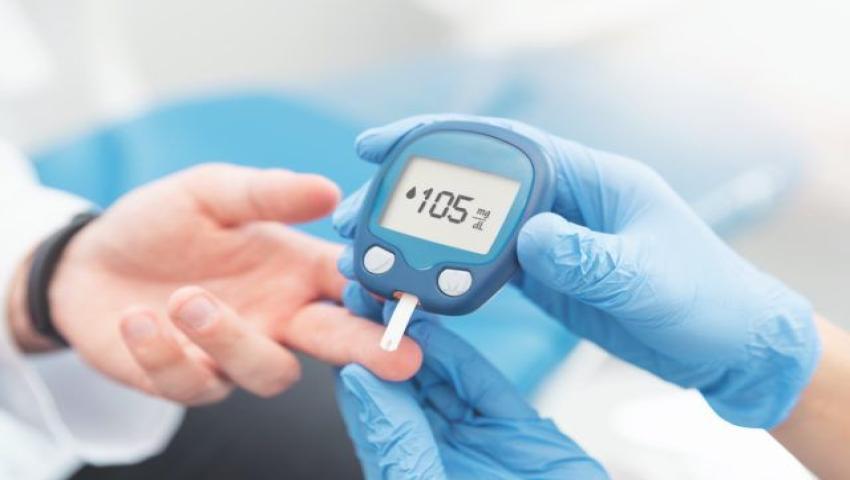
- Consistent Monitoring: Use a glucometer to track how different foods affect your glucose index.
- Portion Control: Opt for complex carbohydrates (whole grains, vegetables) over simple sugars.
- Hydration: Drink plenty of water to help your kidneys flush out excess sugar.
- Daily Movement: Even a 30-minute brisk walk helps your muscles use glucose for energy, lowering your levels naturally.
- Stress Management: High stress releases cortisol, which spikes sugar. Practice yoga or deep breathing.
Comprehensive Diabetes Management at Leela Superspeciality Hospital:
Leela Superspeciality Hospital is more than just a healthcare facility; we are your partners in wellness. We house specialist doctors for diabetes who provide:
- Advanced diagnostic testing for HbA1c and insulin resistance.
- Continuous Glucose Monitoring (CGM) technology.
- Customized nutrition and diabetic diet counseling.
- Screening for diabetic complications (Foot, Eye, and Kidney care).
Our goal is to ensure you don’t just “manage” diabetes but thrive despite it.
Conclusion:
Knowing what level of blood sugar is dangerous is the first step in self-preservation. Whether it is a fasting blood glucose normal values check or managing a spike, your awareness saves lives.
If you or a loved one is struggling to keep your readings within the glucose levels normal range, help is available. Trust the expertise of Dr. Sarang Barbind, a premier Diabetes Specialist in Wakad, to provide the care you deserve.
FAQs About What Level of Blood Sugar is Dangerous:
To maintain healthy glucose levels, focus on high-fiber foods that slow down sugar absorption. Dr Sarang Barbind recommends a diet rich in leafy greens, whole grains (like oats or millets), pulses, and healthy fats like nuts. Avoiding refined flour and sugary drinks is essential to keep your blood glucose normal values within the target range.
When your glucose index drops below 70 mg/dL (Hypoglycemia), follow the “15-15 Rule.” Consume 15 grams of fast-acting carbs—such as half a cup of fruit juice, a tablespoon of honey, or glucose tablets—and wait 15 minutes to recheck your level. If you frequently experience this, consult Dr Sarang Barbind at Leela Superspeciality Hospital to adjust your medication.
Yes, a blood sugar level at 500 is extremely dangerous and constitutes a medical emergency. At this level, you are at high risk for Diabetic Ketoacidosis (DKA) or a Hyperosmolar State, both of which can lead to a coma if not treated immediately. If you see this reading, you should visit a Diabetes Specialist in Wakad or the emergency room at Leela Superspeciality Hospital right away.
