
- 13/02/2026
- Dr. Akhil Mane
- 0 Comments
- Urology
Chronic Prostatitis in Men: What should you know?
Understanding prostate health is essential for every man, especially as they age. If you are struggling with recurring pelvic discomfort, seeking expert help is the first step toward relief. Dr. Akhil S. Mane, a highly experienced Urologist in Wakad with over 12 years of experience, provides advanced and compassionate care at Leela Superspeciality Hospital. For those seeking the most effective chronic prostatitis treatment in Pune, his expertise ensures a path to recovery from this complex condition.
What Is Chronic Prostatitis?
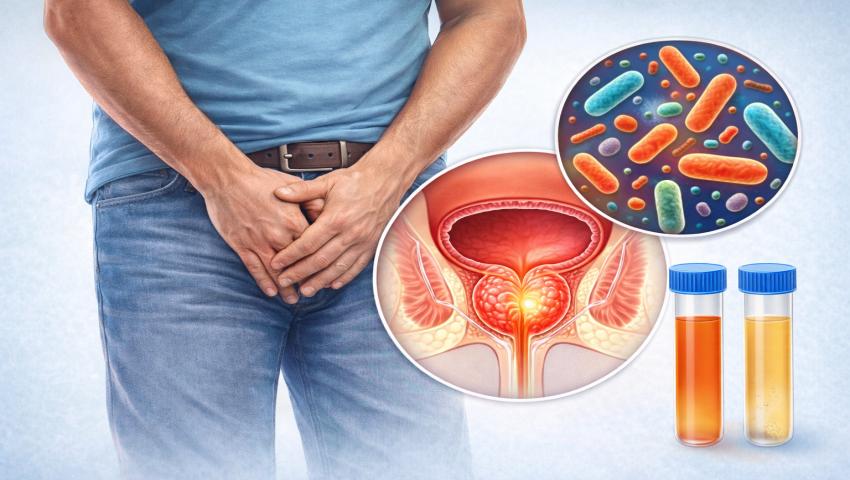
The prostatitis definition refers to the inflammation or infection of prostate—the small, walnut-sized gland that produces seminal fluid. When this inflammation persists for three months or longer, it is termed “chronic.”
Many patients ask about the prostatitis meaning in hindi, which is commonly understood as prostate me sujan (inflammation of the prostate). Unlike acute prostatitis, which comes on suddenly and severely, chronic symptoms may be less intense but last much longer.
Types of Prostatitis Explained:
There are four main types of this condition:
1️⃣ Chronic Prostatitis/Chronic Pelvic Pain Syndrome (CPPS)
This is the most common form. CPPS meaning involves long-term pelvic pain without a clear bacterial infection.
2️⃣ Chronic Bacterial Prostatitis
Caused by a persistent bacterial prostate infection.
3️⃣ Acute Bacterial Prostatitis
A sudden, severe bacterial infection requiring immediate prostatitis medicine.
4️⃣ Asymptomatic Inflammatory Prostatitis
The patient has an inflamed prostate but feels no symptoms.
Common Prostatitis Symptoms Men Experience:
The frustrating part of this condition is that prostatitis symptoms come and go. You might feel fine for a week, only for the discomfort to return. Common signs of prostate problems include:
- Prostate pain: Discomfort in the perineum (the area between the scrotum and anus).
- Urinary issues: Frequent urge to urinate, especially at night, or a burning sensation.
- Pelvic Discomfort: Pain in the bladder, testicles, or lower back.
- Sexual Dysfunction: Painful ejaculation or loss of libido.
Causes of Prostatitis and Risk Factors:
A frequent question in the clinic is: What is the most common cause of prostatitis? While bacterial prostatitis is caused by germs from a UTI or STI, the non-bacterial version (CPPS) is more complex.
Key prostatitis causes include:
- Nerve damage in the lower urinary tract.
- Stress or psychological factors (often linked to cpps disease).
- Previous infection of prostate or bladder.
- Physical trauma from activities like cycling or heavy lifting.
- Prostatitis calcification: The formation of small stones in the prostate that trap bacteria.
How Chronic Prostatitis Is Diagnosed?
To get the best chronic prostatitis treatment in Pune, a proper diagnosis is vital. Dr. Akhil S. Mane, a leading Urologist In Wakad, uses several tools:
- Digital Rectal Exam (DRE): To check for prostate inflammation or tenderness.
- Urine and Fluid Tests: To differentiate between bacterial and non-bacterial types.
- PSA Test: Evaluating the uti and psa relationship (PSA levels often rise during inflammation).
- Imaging: Ultrasounds to check for a prostatic abscess or calcifications.
Options for Treatment of Chronic Prostatitis at Leela Superspeciality Hospital:
Is prostatitis cured easily? While chronic cases take time, the right prostatitis treatment plan can provide a prostatitis cure.
- Prostatitis Antibiotics: If it is a bacterial prostatitis, a long course of medicine for prostate infection is needed.
- Alpha-Blockers: These drugs for prostate infection help relax the muscles where the prostate joins the bladder, making urination easier.
- Anti-inflammatory Drugs: To reduce prostate pain and swelling.
- Advanced Therapy: In some cases, specialized procedures are used to clear a prostatic abscess.
As an advanced urology center, Leela Superspeciality Hospital, Wakad, Pune, offers comprehensive care with expert diagnosis and specialized treatment plans. We provide advanced in-house surgery options and minimally invasive procedures to ensure effective recovery and long-term relief for all prostate-related conditions.
Lifestyle Changes That Help Manage Symptoms:
Managing prostate inflammation often requires changes at home:
- Diet: Avoid spicy foods, caffeine, and alcohol, as they can irritate the bladder.
- Sit Baths: Sitting in warm water can soothe pelvic floor muscles.
- Cushions: Use a donut-shaped pillow if sitting for long hours causes pain.
- Stress Management: Since stress worsens cpps disease, relaxation techniques are highly beneficial.
When to See a Urologist in Wakad, Pune?
You should not wait for the pain to become unbearable. If you notice blood in your urine, severe difficulty urinating, or recurring pelvic pain, consult the best urologist in Wakad Pune. Early intervention by Dr. Akhil S. Mane at Leela Superspeciality Hospital can prevent complications like chronic urinary tract infections or fertility issues.
Conclusion:
Chronic prostatitis is a manageable condition, but it requires patience and expert medical guidance. Whether you are looking for prostatitis in hindi information or advanced clinical chronic prostatitis treatment in Pune, remember that relief is possible.
Don’t let prostate pain control your life. Consult Dr. Akhil S. Mane, the trusted Urologist In Wakad, to start your journey toward a prostatitis cure today.
FAQs About Chronic Pancreatitis in Men:
The most common cause depends on the type. While bacterial prostatitis is caused by a bacterial infection (often from the urinary tract), the most frequent form is Chronic Pelvic Pain Syndrome (CPPS). According to Dr. Akhil S. Mane, CPPS causes are often linked to nerve damage, pelvic floor muscle tension, or stress rather than a simple infection.
Prostatitis prostate gland ki sujan (inflammation) ya infection ko kehte hain. Ismein mareez ko peshab mein jalan, pelvic area mein dard, aur baar-baar peshab aane jaisi samasyaein hoti hain. Leela Superspeciality Hospital mein iska sahi nidan (diagnosis) aur upchaar modern techniques dwara kiya jata hai.
You should worry and seek immediate medical help if you experience severe, persistent abdominal pain that radiates to your back, unexplained weight loss, oily/foul-smelling stools (steatorrhea), or signs of jaundice (yellowing of eyes/skin). These indicate that the pancreas is struggling to produce essential digestive enzymes or insulin.
Chronic pancreatitis typically progresses through these four stages:
- Stage 1 (Preclinical): Early inflammation with subtle or no symptoms.
- Stage 2 (Acute Attacks): Recurrent episodes of intense abdominal pain.
- Stage 3 (Constant Pain): Chronic, persistent pain as the gland becomes permanently scarred (fibrosis).
- Stage 4 (Burn-out/End Stage): The pancreas loses its function, leading to diabetes and severe malabsorption.
Yes, you can live a long and fulfilling life with chronic pancreatitis by managing it effectively. Success depends on strict lifestyle changes—such as quitting alcohol and smoking—following a low-fat diet, and taking pancreatic enzyme replacement therapy (PERT) as prescribed by your specialist.
