
- 27/07/2026
- Dr. Kiran Ardad-Mane
- 0 Comments
- Dermatology
Hormonal Acne and PCOD: The Skin Connection
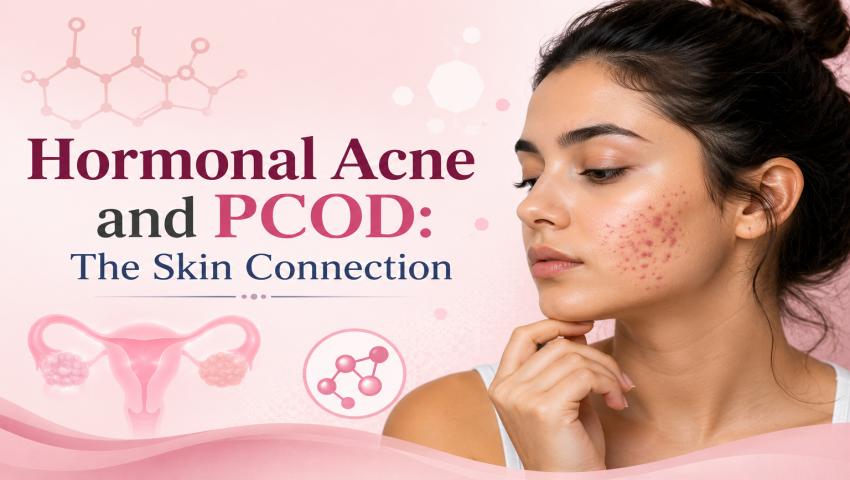
If you have been battling stubborn, painful acne that keeps coming back — especially around your jawline, chin, and lower cheeks — your skin may be trying to tell you something much deeper. For millions of women in India, persistent hormonal acne and PCOD are closely and directly connected. The acne is not just a skin problem. It is a hormonal signal.
Dr. Kiran Ardad-Mane, Best Dermatologist in Wakad PCMC and cosmetologist at Leela Superspeciality Hospital Wakad, regularly sees young women who have tried every face wash, topical cream, home remedy, and even different acne treatment options without lasting results. The reason? The root cause is hormonal — not just skin-deep. This blog explains exactly how PCOD triggers hormonal acne in women and what you can do about it.
What Is PCOD? — And How Is It Different From PCOS?
PCOD — Polycystic Ovarian Disease — is one of the most common hormonal conditions affecting women of reproductive age in India. It affects nearly 1 in 10 women — and yet it is frequently misunderstood.
In PCOD, the ovaries produce an excess of immature or partially mature eggs, which accumulate and form small cysts. This disrupts normal hormone production — causing elevated levels of androgens (male hormones like testosterone), irregular periods, weight gain, and skin problems including acne due to hormonal imbalance.
PCOD vs PCOS — What is the difference?
- PCOD — Milder condition. Ovaries release immature eggs. Manageable with lifestyle changes. Does not always affect fertility significantly.
- PCOS — More severe hormonal disorder. Affects ovulation and metabolism more deeply. Linked to insulin resistance, diabetes risk, and more complex treatment needs.
Both conditions cause hormonal acne in women — and both are treated with a combination of medical, dermatological, and lifestyle interventions.
The Hormonal Connection — How PCOD Triggers Acne?
Understanding why PCOD causes acne starts with understanding what androgens do to the skin.
In women with PCOD, androgen excess acne is the result of elevated testosterone and DHEA levels — androgens that overstimulate the sebaceous (oil) glands in the skin. Here is the chain reaction:
Step 1
Androgens increase:
PCOD causes higher-than-normal levels of androgens — male hormones present in small amounts in all women.
Step 2
Sebaceous glands overproduce oil:
Excess androgens signal the oil glands to produce more sebum than the skin needs.
Step 3
Pores become clogged:
Excess oil mixes with dead skin cells and blocks the hair follicle — creating the ideal environment for bacterial growth.
Step 4
Inflammation develops:
Bacteria (P. acnes) inside the blocked pore trigger an immune response — resulting in red, inflamed, painful acne.
Step 5
Insulin resistance worsens the cycle:
Many women with PCOD also have insulin resistance acne as a compounding factor. High insulin levels further stimulate androgen production — creating a vicious cycle that makes acne persistent, deep, and resistant to standard treatments.
This is why hormonal acne causes go beyond the skin — and why treating only the surface never fully works for PCOD-related acne.
What Does PCOD Acne Look Like? — Key Characteristics
PCOD acne is distinctly different from regular teenage acne. Here is how to recognise it:
- Deep, painful cysts — Not surface-level pimples. Cystic acne hormonal imbalance produces nodules deep under the skin that are tender to touch.
- Concentrated on the lower face — Jawline, chin, lower cheeks, and neck are the classic locations for cystic jawline acne hormonal in nature
- Persistent — Does not clear fully between cycles. May worsen before menstruation and remain throughout the month
- Resistant to standard treatments — Does not respond well to regular acne face washes, benzoyl peroxide, or salicylic acid alone.
- Recurring in the same spots — The same areas of the jaw or chin keep breaking out repeatedly.
- Accompanies other PCOD symptoms — Often seen alongside irregular periods, unwanted facial hair, or weight gain
If your cystic acne PCOD pattern matches these characteristics, it is time to look beyond topical treatments.
PCOD Acne vs Regular Acne — Key Differences
Other Skin Problems Caused by PCOD:
PCOD does not just cause acne. It affects the skin in multiple ways — all driven by the same androgen excess. Other common PCOS skin problems include:
- Hirsutism — Unwanted facial and body hair growth — on the upper lip, chin, chest, and abdomen. Closely related to the same androgen excess that drives acne. Laser hair removal in Pune is an effective long-term solution.
- Acanthosis Nigricans PCOD — Dark, velvety patches of skin in skin folds — neck, underarms, inner thighs. A direct sign of insulin resistance.
- Androgenic Alopecia — Thinning hair or hair loss on the scalp — caused by the same androgens that stimulate facial and body hair growth
- Oily Skin and Enlarged Pores — Persistent oiliness that feels impossible to control — even with regular cleansing
- Skin Tags — Small, soft skin growths commonly found on the neck and underarms — associated with insulin resistance in PCOD.
- Hyperpigmentation — Uneven skin tone and dark spots — worsened by post-acne marks and hormonal changes
All of these skin manifestations are managed more effectively when the underlying PCOD hormonal imbalance is addressed — not just the individual skin symptom.
Where Does Hormonal Acne Appear? — The Face Map
The location of acne on the face is one of the clearest clues to its hormonal origin.
Hormonal acne face map:
- Jawline and chin — The most classic location for PCOS acne on jawline — androgen-driven, cyclical, and deep
- Lower cheeks — Hormonal breakouts cluster along the lower third of the face
- Neck — Deep, cystic spots extending below the jawline onto the neck
- Upper lip area — Sometimes affected alongside hirsutism in PCOD patients
Non-hormonal acne locations — Forehead, nose, and upper cheeks — these are more commonly associated with oily skin, diet, and bacterial acne rather than hormonal imbalance.
If your PCOD face acne treatment has focused only on the T-zone without addressing the jawline pattern — the underlying hormonal cause may have been missed.
What Triggers Hormonal Acne Flare-Ups in PCOD?
Knowing your triggers helps you manage hormonal acne more effectively between treatments:
- Pre-menstrual hormonal shifts — Progesterone rises before periods — worsening oil production and inflammation
- High sugar and refined carbohydrate diet — Spikes insulin levels — worsening insulin resistance, acne, and androgen production
- Stress — Raises cortisol levels — which in turn increases androgen production and oil secretion.
- Skipping meals or crash dieting — Disrupts hormonal balance and blood sugar — both trigger flare-ups
- Certain dairy products — Milk contains hormones that may stimulate oil glands in sensitive individuals
- Inadequate sleep — Disrupts cortisol and insulin regulation — both are key contributors to hormonal acne causes.
- Over-washing or over-exfoliating the skin — Strips natural oils — triggers rebound oil production and worsens breakouts
How Is PCOD-Related Acne Diagnosed?
Before starting treatment, it is important to confirm that acne is driven by PCOD rather than other causes. Diagnosis typically involves:
- Detailed clinical history — Menstrual cycle regularity, weight changes, hair growth patterns, and acne distribution
- Blood tests — Hormone panel including testosterone, DHEA-S, LH, FSH, insulin, and fasting glucose
- Pelvic ultrasound — To assess ovarian morphology and confirm PCOD diagnosis
- Dermatological evaluation — Assessment of acne type, severity, and skin condition by a qualified dermatologist
Acne due to hormonal imbalance needs to be distinguished from acne caused purely by bacteria, diet, or skincare errors — as the treatment approach is completely different.
Treatment for Hormonal Acne Caused by PCOD:
The most effective approach combines hormonal management with dermatological treatment and lifestyle changes. Here is a comprehensive breakdown:
1. Medical Treatments — Hormonal and Dermatological:
Treatment for acne with PCOS requires addressing both the hormonal root cause and the skin manifestation simultaneously:
- Oral contraceptive pills — Reduce androgen levels and regulate the menstrual cycle — one of the most effective anti-androgen treatments for acne in PCOD
- Anti-androgen medications — Spironolactone blocks androgen receptors in the skin — significantly reducing oil production and cystic acne
- Metformin — Improves insulin resistance — reducing the androgen-stimulating effect of high insulin levels.
- Topical retinoids — Vitamin A derivatives that unclog pores and reduce inflammation — used alongside hormonal treatment
- Topical antibiotics — Reduce P. acnes bacteria on the skin surface
- CO2 Laser Treatment in Pune — Highly effective for acne scar reduction after PCOD acne — stimulates collagen remodelling and skin resurfacing
- Chemical peels — Reduce post-acne pigmentation and improve skin texture
- Acne Scar Treatment — For women with deep scarring from longstanding PCOD cystic acne
2. Skincare Routine for PCOD Acne:
A PCOS skin care routine should be simple, non-comedogenic, and gentle:
- Cleanser — Gentle, sulfate-free, non-stripping cleanser — twice daily maximum
- Moisturiser — Lightweight, oil-free, non-comedogenic — always moisturise even if skin feels oily.
- Sunscreen — SPF 30 or higher daily — prevents post-acne hyperpigmentation from darkening.
- Avoid — Heavy creams, coconut oil, and pore-clogging ingredients like isopropyl myristate.
- Spot treatment — Niacinamide, salicylic acid, or benzoyl peroxide as directed by your dermatologist
3. Diet Changes That Help Clear PCOD Acne:
Hormonal acne diet India-specific changes that make a real difference:
- Replace white rice and maida with millets, brown rice, and whole grains — low glycaemic index reduces insulin spikes.
- Increase fresh vegetables, legumes, and high-fibre fruits.
- Reduce dairy — particularly full-fat milk — if you notice a flare connection.
- Limit sugar, sweets, and packaged processed foods entirely.
- Include omega-3-rich foods — flaxseeds, walnuts, fatty fish — to reduce inflammation.
4. Lifestyle Changes for PCOD Skin:
- Exercise regularly — Even 30 minutes of walking daily improves insulin sensitivity significantly.
- Manage stress — Yoga, meditation, and adequate sleep reduce cortisol and androgen levels.
- Sleep 7 to 8 hours — Hormonal regulation happens during sleep — poor sleep worsens PCOD acne
- PCOD acne treatment at home tip — Avoid touching your face, change pillowcases twice a week, and never pop cystic pimples
When Should You See a Dermatologist vs Gynaecologist?
See a Dermatologist if:
- Your acne is severe, cystic, or leaving scars
- Topical treatments are not working after 8 to 12 weeks
- You need prescription skincare or laser treatment
See a Gynaecologist if:
- You have irregular periods alongside acne
- You suspect PCOD but have not been formally diagnosed
- You want hormonal treatment like OCP or Metformin
Ideally — see both working together. PCOD acne is best managed when the dermatologist and gynaecologist coordinate treatment — addressing the skin and the hormones simultaneously. Best dermatologist for hormonal acne Pune — Dr. Kiran Ardad-Mane — works collaboratively with gynaecology specialists to give every patient a complete treatment plan.
Expert Advice from Dr. Kiran Ardad-Mane — Dermatologist in Wakad, Pune
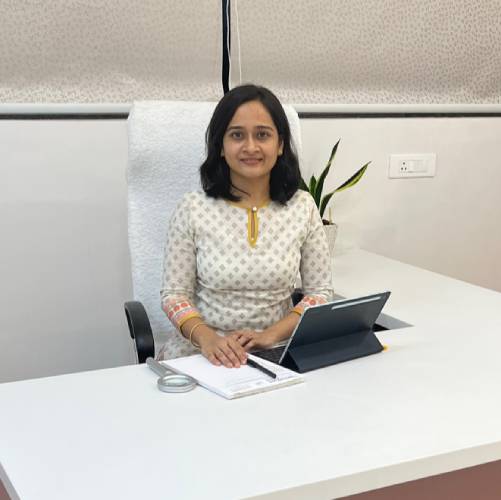
Dr. Kiran Ardad-Mane
Dr. Kiran Ardad-Mane, Skin Specialist in Wakad PCMC at Leela Superspeciality Hospital Wakad, shares her clinical perspective:
“Hormonal acne linked to PCOD is one of the most common yet most undertreated skin conditions I see in my practice. Most women spend years trying over-the-counter products that are simply not designed to address the hormonal root cause. The key message I give every patient is this — your skin is reflecting your hormones. When we treat the hormones, the skin follows. The combination of medical management, the right skincare routine, and simple lifestyle changes produces results that topical products alone can never achieve.”
With over 10 years of dermatology and cosmetology expertise, Dr. Kiran Ardad-Mane provides personalised PCOD acne treatment in Pune for patients across Wakad, Hinjewadi, Baner, and all of PCMC — using the most current evidence-based treatments available.
Book an Appointment with Dr. Kiran Ardad-Mane:
Do not let PCOD acne control your confidence any longer. With the right diagnosis and the right treatment plan, clear skin is absolutely achievable.
Book your consultation for hormonal acne treatment in Wakad, Pune with Dr. Kiran Ardad-Mane at Leela Superspeciality Hospital Wakad today.
- Phone: +91 7689892020 / +91 9322300500
- Address: Fourth Floor, 403-404, Kaspate Wasti, Wakad, Pune — 411057
- Hours: Open 24 Hours
FAQs About Hormonal Acne and PCOD:
Hormonal acne typically appears on the lower face — jawline, chin, and neck — as deep, painful cystic nodules that recur in the same spots every month. It worsens before periods and does not respond well to regular acne products. Regular acne tends to appear on the forehead and nose, is more surface-level, and responds to standard topical treatments. If your acne follows a cyclical pattern and is concentrated on the jawline, consult a dermatologist for hormonal evaluation.
Yes — PCOD is one of the leading causes of persistent jawline and chin acne in women. Elevated androgens in PCOD overstimulate oil glands — clogging pores and causing deep, cystic breakouts specifically in the lower face. PCOS acne on jawline is a classic pattern — if you have this combined with irregular periods or weight changes, PCOD evaluation is strongly recommended. Consult Dr. Kiran Ardad-Mane at Leela Superspeciality Hospital Wakad for a comprehensive skin and hormonal assessment.
The most effective treatment for acne with PCOS combines hormonal management — oral contraceptive pills or anti-androgen medications like Spironolactone — with dermatological treatments including topical retinoids, chemical peels, and laser therapy for scarring. Diet changes reducing sugar and refined carbohydrates, regular exercise, and stress management significantly improve results. PCOD acne treatment in Pune at Leela Superspeciality Hospital Wakad follows a combined hormonal and dermatological approach for lasting results.
For hormonal acne diet management, avoid high glycaemic index foods — white rice, maida, sugar, packaged snacks, and sweetened beverages — as they spike insulin levels and worsen androgen production. Reduce full-fat dairy if you notice a breakout connection. Limit red meat and fried foods. Focus instead on millets, vegetables, legumes, omega-3-rich foods, and plenty of water. These dietary changes directly reduce insulin resistance acne — one of the key drivers of PCOD-related breakouts.
PCOD (Polycystic Ovarian Disease) is milder — ovaries release immature eggs forming cysts, causing hormonal imbalance but rarely affecting fertility significantly. PCOS (Polycystic Ovarian Syndrome) is more severe — affecting ovulation, metabolism, and insulin regulation more deeply. Both conditions cause hormonal acne and PCOD or PCOS skin problems through the same androgen excess mechanism. However, PCOD is more commonly diagnosed in Indian women and is the more frequent cause of acne in this population.
Dr. Kiran Ardad-Mane is the most trusted dermatologist for acne treatment for hormonal imbalance in Pune — with over 10 years of expertise in treating PCOD-related acne, acne scar treatment in Pune, CO2 laser treatment, and comprehensive cosmetic dermatology. She practises at Leela Superspeciality Hospital Wakad — easily accessible from Hinjewadi, Baner, Pimpri-Chinchwad, and all PCMC areas. Call +91 76898 92020 to book your consultation today.
PCOD-related hormonal acne cannot always be permanently cured — but it can be very effectively controlled and significantly reduced with the right treatment. When the underlying hormonal imbalance is addressed through medical management and lifestyle changes, most women see dramatic and lasting improvement. Maintaining a low glycaemic diet, managing weight, exercising regularly, and following dermatologist-prescribed skincare keeps PCOD acne well controlled for the long term. Regular follow-up with your dermatologist and gynaecologist is the key to sustained results.
