

- 28/05/2026
- Dr. Sarang Barbind
- 0 Comments
- General Medicine
Asthma Attack: Symptoms, Causes, and Immediate Treatment
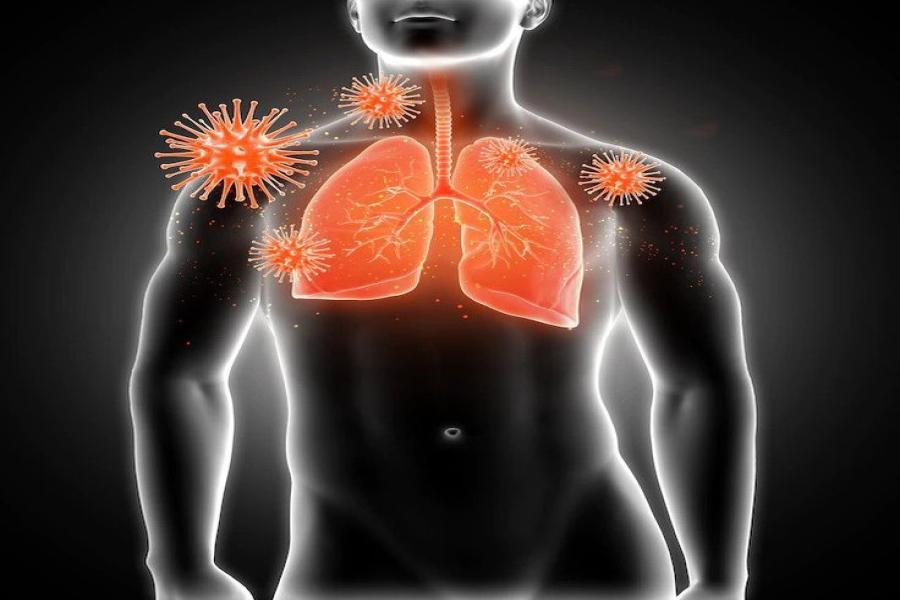
An asthma attack can be terrifying — for the person experiencing it and for everyone around them. One moment, everything seems fine, and the next, breathing becomes a struggle. Knowing what to do in those critical moments can make all the difference.
Asthma is one of the most common chronic respiratory conditions in India. Millions of people live with asthma every day — many without fully understanding their triggers, warning signs, or when to seek emergency help. This lack of awareness is what turns a manageable condition into a medical crisis.
Dr. Sarang Barbind, a highly experienced Asthma specialist and General Physician in Wakad with over 13 years of clinical experience, provides comprehensive Asthma Treatment at Leela Superspeciality Hospital, Wakad, Pune. This blog covers everything you need to know about asthma attacks — symptoms, causes, and what to do immediately when one strikes.
What Is an Asthma Attack?
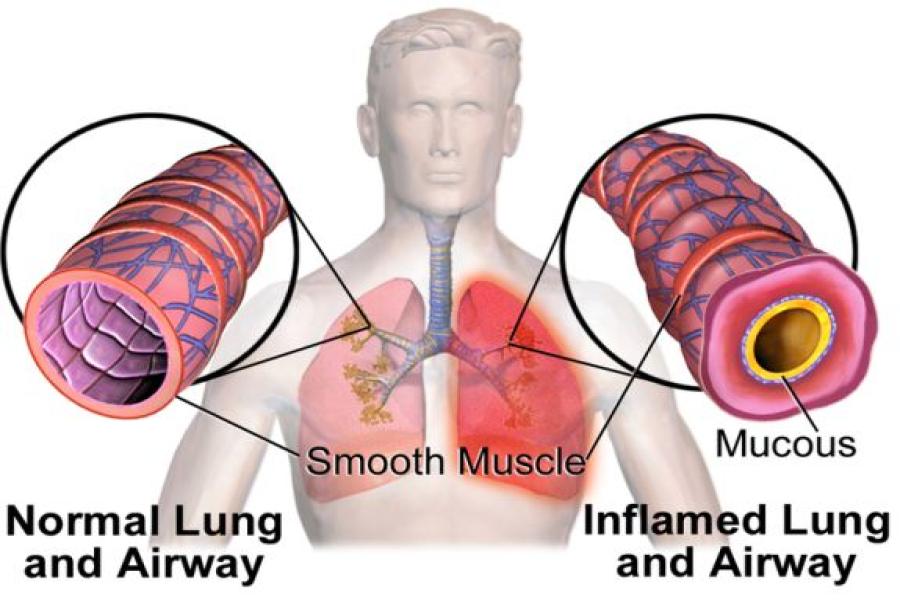
An asthma attack — also called an acute attack of asthma or acute asthma attack — is a sudden worsening of asthma symptoms caused by tightening of the muscles around the airways. This tightening, combined with swelling and excess mucus production inside the airways, makes breathing extremely difficult.
The medical definition for asthma describes it as a chronic inflammatory condition of the airways — also known as bronchial asthma — where the airways become hyperreactive to certain triggers. During an attack, these airways narrow dramatically, reducing airflow to the lungs.
An asthma attack can be:
- Mild — Manageable with a reliever inhaler at home
- Moderate — Requires medical attention and may need nebulisation
- Severe — A life-threatening emergency requiring immediate hospitalisation
Understanding asthma attack severity is critical — it helps patients and families decide how quickly they need to act.
What Triggers an Asthma Attack?
Asthma attacks do not happen without a reason. There is always a trigger — something that irritates the already sensitive airways and sets off an attack. Common triggers include:
Environmental Triggers:
- Dust mites, pollen, and mould spores
- Air pollution and vehicular smoke — particularly relevant in cities like Pune
- Strong chemical fumes, paint, or cleaning products
- Cold air or sudden changes in weather
- Smoke from burning crackers, incense sticks, or biomass fuel
Lifestyle and Health Triggers:
- Respiratory infections — common cold, flu, chest infections
- Exercise or physical exertion, especially in cold air
- Stress, anxiety, and strong emotions
- Certain medicines like aspirin or beta-blockers
- Gastroesophageal reflux disease (GERD) — acid coming up into the throat
Allergen Triggers:
- Pet dander from cats, dogs, or birds
- Cockroach droppings — very common in Indian urban homes
- Certain foods and food preservatives
- Perfumes, room fresheners, and strong odours
Identifying and avoiding personal triggers is one of the most effective ways to prevent a chronic asthma attack and reduce dependence on medication.
Early Warning Signs of an Asthma Attack:
An asthma attack rarely comes without warning. The body gives signals hours or even a day before a full attack begins. Recognising these early warning signs can help you act before the situation becomes critical.
Watch out for these early signs:
- Increased frequency of coughing — especially at night
- Feeling unusually tired or breathless with minor activity
- Mild chest tightness or pressure
- Runny nose, sneezing, or itchy eyes — signs of an allergic trigger building up
- Slight wheezing sound while breathing
- Disturbed sleep due to coughing or breathing discomfort
- Your reliever inhaler seems less effective than usual
If you notice these signs, take your reliever inhaler as prescribed and contact your Asthma Doctor without delay. Do not wait for the attack to worsen.
Asthma Attack Symptoms:
Recognising the symptoms of an asthma attack clearly — and distinguishing mild from severe — is essential for every patient and caregiver.
Common symptoms of an asthma attack include:
- Wheezing — A high-pitched whistling sound when breathing, especially while exhaling
- Shortness of breath — Feeling like you cannot get enough air into the lungs
- Chest tightness — A pressing or squeezing sensation in the chest
- Persistent coughing — Often worse at night or early morning
- Rapid breathing — Breathing faster than normal to compensate for reduced airflow
- Difficulty speaking — In severe attacks, the person may only manage one or two words per breath
- Pale or bluish lips and fingernails — A sign of critically low oxygen levels
- Hunched posture — The person automatically leans forward, trying to open up the airways
Difference between mild and severe asthma attack symptoms:
Mild symptoms
slight breathlessness, mild wheezing, can walk and talk normally, responds to reliever inhaler within minutes.
Severe symptoms
What Causes Asthma Attacks?

Airway Inflammation
In bronchial asthma, the inner lining of the airways is chronically inflamed — even between attacks. This makes airways more sensitive and reactive to any trigger.
Bronchoconstriction
When exposed to a trigger, the muscles surrounding the airways contract suddenly and powerfully. This squeezes the airways shut, drastically reducing airflow to the lungs.

Underlying Allergies
Most cases of disease asthma in India are allergic in nature — triggered by allergens that cause the immune system to overreact and inflame the airways. Identifying and treating the underlying allergy is therefore a critical part of long-term asthma management.
Airway Remodelling in Chronic Asthma
In patients with chronic asthma attack — those who have repeated or long-standing asthma — the repeated inflammation can permanently thicken the airway walls over time, making the condition progressively harder to manage without proper treatment.
Mucus Overproduction
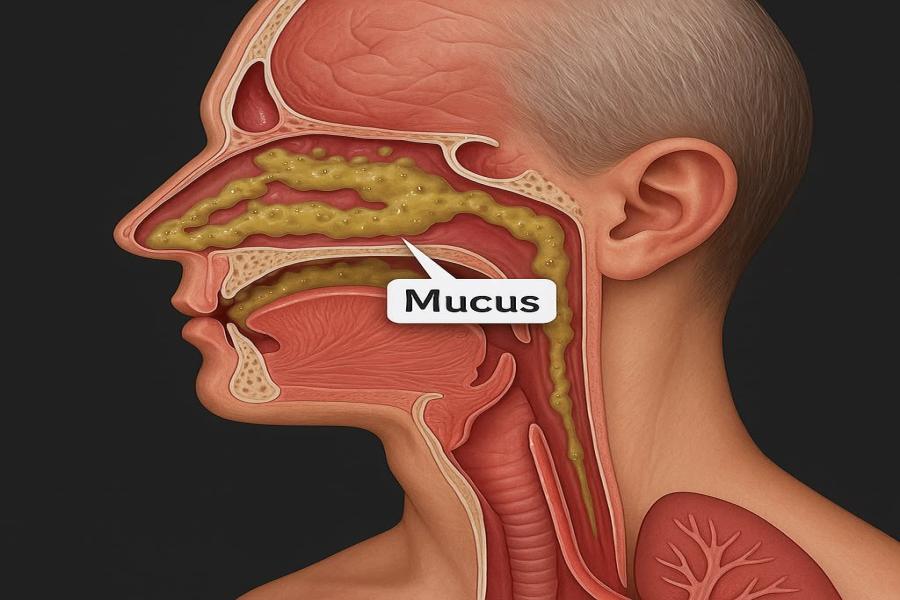
The inflamed airways produce excessive thick mucus that further blocks airflow. This causes the characteristic wheezing and coughing seen during an acute asthma attack.
Immediate Treatment for an Asthma Attack — Step by Step:
If you or someone around you is having an asthma attack, act immediately and calmly. Here is exactly what to do:
Step 1
Sit the person upright:
Help them sit in an upright position, leaning slightly forward with hands on knees. This position opens up the chest and makes breathing easier. Do not make them lie down.
Step 2
Use the reliever inhaler immediately:
Give 1 puff of the blue reliever inhaler (Salbutamol). Wait 30 to 60 seconds. Give another puff if needed. A spacer device improves medication delivery significantly — always use one if available.
Step 3
Stay calm and reassure the person:
Panic worsens an asthma attack by increasing oxygen demand. Speak calmly. Ask the person to try slow, steady breaths. Calm them down as much as possible.
Step 4
Wait and monitor:
If the reliever inhaler helps, symptoms should begin improving within 5 to 10 minutes. Monitor closely for the next 30 minutes.
Step 5
Repeat if needed:
If symptoms do not improve after the first dose, give up to 10 puffs of the reliever inhaler — one puff at a time, one minute apart. This is the standard emergency protocol.
Step 6
Call for Emergency Help:
If symptoms are severe, not improving after 10 puffs, or the person is turning blue, call for emergency help immediately. Do not drive them to hospital yourself if the attack is severe.
- Ambulance (National Emergency Number): 108
- Leela Superspeciality Hospital, Wakad: +91 96373 11000
Inform the emergency team that the patient is having a severe asthma attack so they can be prepared with the right equipment on arrival. Every minute matters in a severe acute asthma attack — do not delay.
Step 7
Do not give food or water during an attack :
Avoid offering anything to eat or drink during the attack, as it can worsen breathing difficulty.
Asthma Attack in Children vs Adults — Key Differences:
Lifestyle Tips by Dr. Sarang Barbind to Prevent Asthma Attacks:
Dr. Sarang Barbind advises every asthma patient to make these lifestyle adjustments for better control and fewer attacks:
- Know your triggers — Keep a diary of when attacks occur and what preceded them. Patterns help identify personal triggers.
- Keep your home dust-free — Use damp cloth for cleaning, avoid heavy carpets and curtains that collect dust
- Avoid smoking and secondhand smoke — This is non-negotiable for every asthma patient
- Wear a mask outdoors — Especially during high-pollution days, construction areas, or festival seasons in Pune.
- Exercise wisely — Do not stop exercising, but choose low-intensity activities like walking or yoga. Always warm up before exercise.
- Take your preventer inhaler daily — Even when you feel completely fine. Prevention is the most effective asthma treatment.
- Keep your reliever inhaler accessible at all times — At home, at work, in your car — everywhere
- Get vaccinated — Annual flu vaccine and pneumococcal vaccine significantly reduce infection-triggered attacks
- Manage stress — Yoga, meditation, and adequate sleep reduce the frequency of stress-triggered attacks
- Visit your Asthma Doctor regularly — Even when you have no symptoms. Regular monitoring prevents escalation.
When Is an Asthma Attack a Medical Emergency?
Go to the nearest emergency department or call an ambulance immediately if:
- The reliever inhaler is not working after 10 puffs.
- Lips, fingernails, or skin are turning blue or grey.
- The person cannot speak in full sentences.
- Breathing is extremely rapid and laboured.
- The person appears confused, drowsy, or exhausted.
- The chest is visibly sucking in with each breath.
- Symptoms are rapidly getting worse despite treatment.
- The person is a child under 5 years with severe breathing difficulty.
These are signs of a life-threatening acute asthma attack requiring immediate hospital care. Time is critical — do not delay.
When to See an Asthma Specialist in Wakad, Pune?
You should consult an Asthma Doctor if:
- You are experiencing frequent coughing, wheezing, or breathlessness
- Your symptoms are disturbing your sleep regularly
- You are using your reliever inhaler more than twice a week
- You have had more than one asthma attack in the past year
- Your current Asthma Treatment does not seem to be working well
- You or your child has been recently diagnosed with asthma and need guidance
- You want a proper asthma action plan to manage attacks at home
For expert Asthma Treatment in Wakad, Hinjewadi, Pimpri-Chinchwad, and PCMC, consult Dr. Sarang Barbind — General Physician in Wakad at Leela Superspeciality Hospital, Wakad, Pune. With 13 years of clinical experience and advanced training in respiratory and chronic disease management, Dr. Sarang Barbind provides accurate diagnosis, personalised treatment plans, and practical guidance to help patients breathe easier every single day.
Conclusion:
An asthma attack is frightening — but it is manageable. The key is awareness. Know your symptoms. Know your triggers. Know what to do when an attack begins. And most importantly, never underestimate asthma or treat it casually.
With the right Asthma Treatment, the right lifestyle choices, and the right specialist by your side, living a full, active, and healthy life with asthma is absolutely possible. Do not wait for the next attack. Book a consultation today at Leela Superspeciality Hospital, Wakad, and take control of your breathing for good.