
- 10/07/2026
- Dr. Sarang Barbind
- 0 Comments
- General Medicine
Can Diabetes Be Reversed? — What Science Says and What You Can Do?
Can diabetes be reversed? This is one of the most common and hopeful questions that Dr. Sarang Barbind hears from patients at Leela Superspeciality Hospital, Wakad, every day. The short answer is — yes, for many people with type 2 diabetes, reversal is possible. But understanding what reversal actually means, who it applies to, and what you need to do to achieve it is equally important. This blog breaks down what the latest science says and gives you practical steps you can start today.
What Does "Reversing Diabetes" Actually Mean?
Reversal vs Remission:
When doctors talk about reversing diabetes, they actually prefer the term remission. Diabetes remission means your blood sugar levels return to a normal range without the need for diabetes medication — and stay there for at least three months or longer.
The word “reversal” can be misleading because it suggests the disease is gone permanently. In reality, if you return to unhealthy habits, blood sugar levels can rise again. Remission is a better description — it means the disease is under control, not necessarily cured.
Can diabetes be cured permanently? Not in the traditional sense. But achieving long-term remission through consistent lifestyle changes is a realistic and proven goal for millions of people in India.
Which Type of Diabetes Can Be Reversed?
- Type 2 diabetes — Yes, remission is possible through lifestyle changes, diet, and in some cases surgery.
- Type 1 diabetes — No, it cannot be reversed as it is an autoimmune condition where the body permanently stops producing insulin
- Prediabetes — Yes, highly reversible with early intervention
- Gestational diabetes — Often resolves after delivery but increases future risk of type 2 diabetes.
What Science Says About Diabetes Reversal?
The DiRECT Trial — Key Findings:
The DiRECT trial (Diabetes Remission Clinical Trial) is one of the most important studies on type 2 diabetes reversal. Key findings include:
- Nearly 50% of participants achieved remission at 12 months through a structured weight loss programme
- Participants who lost more than 15 kg saw a 70% remission rate at two years
- No diabetes medications were used — remission was achieved through diet and lifestyle changes alone
This study confirmed that type 2 diabetes reversal is not just possible — it is achievable with the right support and commitment.
The Twin Cycle Hypothesis:
The Twin Cycle Hypothesis, proposed by Professor Roy Taylor, explains why type 2 diabetes develops and how it can be reversed. It states that:
- Excess fat accumulates in the liver, causing insulin resistance
- This fat then overflows into the pancreas, impairing insulin production
- By losing this excess fat — particularly through calorie restriction — both cycles can be broken
- Insulin resistance reversal naturally follows when fat levels in the liver and pancreas reduce
This is why weight loss is at the core of almost every diabetes reversal strategy.
Can Type 1 Diabetes Be Reversed?
No. Type 1 diabetes is an autoimmune condition where the immune system destroys the insulin-producing beta cells in the pancreas. Since the body cannot produce insulin at all, it requires lifelong insulin therapy. No diet, exercise programme, or medication can reverse type 1 diabetes. Research into beta cell transplantation and immunotherapy is ongoing, but no proven reversal method exists currently.
Can Type 2 Diabetes Be Reversed?
Yes — and diabetes reversal success stories from across India and the world confirm this. Type 2 diabetes reversal is now supported by strong clinical evidence. The key is that type 2 diabetes is largely driven by insulin resistance — the body’s inability to use insulin effectively — which is directly linked to excess weight, poor diet, and physical inactivity. All of these are modifiable factors.
Diabetes reversal without medication is possible — but it requires significant, sustained lifestyle change. The earlier you act after diagnosis, the better your chances of achieving remission.
What Are the Most Effective Ways to Reverse Type 2 Diabetes?
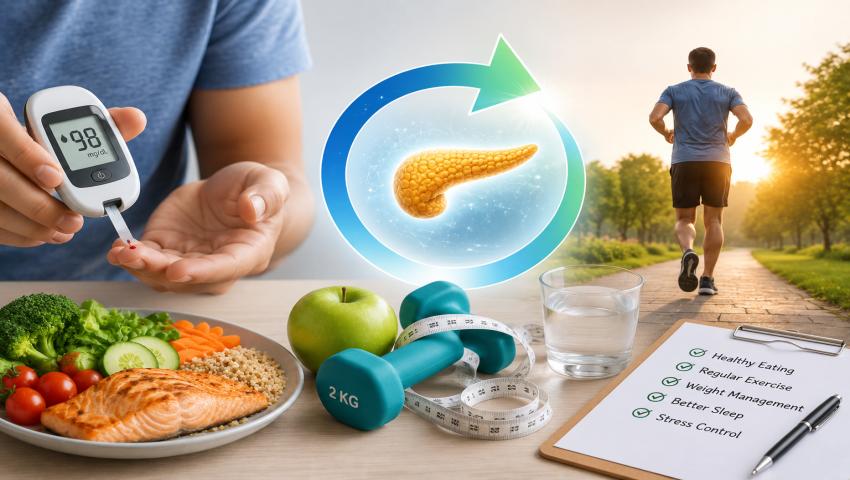
1. Weight Loss and Calorie Restriction:
Weight loss is the single most powerful tool for type 2 diabetes reversal. A low calorie diet for diabetes reversal — typically 800 to 1,000 calories per day for a short structured period — has shown dramatic results in clinical trials. Even losing 5 to 10% of body weight can significantly improve blood sugar control naturally and reduce the need for medication.
2. Diet Changes That Work:
A type 2 diabetes reversal diet in India should focus on:
- Low-carbohydrate or low-glycaemic foods — brown rice, whole wheat roti, oats, millets
- High-fibre vegetables — spinach, broccoli, beans, bitter gourd (karela)
- Healthy fats — nuts, seeds, olive oil, ghee in moderation
- Avoid: white rice, maida, sugary drinks, packaged snacks, refined carbohydrates
Blood sugar control naturally improves significantly when refined carbohydrates are replaced with whole foods and fibre-rich vegetables.
3. Exercise and Physical Activity:
Regular physical activity helps the body use insulin more effectively, directly supporting insulin resistance reversal naturally. Aim for:
- 150 minutes of moderate exercise per week (brisk walking, cycling, swimming)
- Strength training 2 to 3 times per week — builds muscle, which uses more glucose
- Even a 30-minute walk after meals significantly lowers post-meal blood sugar
4. Intermittent Fasting:
Intermittent fasting for diabetes reversal is gaining strong scientific support in India. Popular methods include:
- 16:8 method — eating within an 8-hour window, fasting for 16 hours
- 5:2 method — eating normally for 5 days, restricting calories on 2 days
Intermittent fasting helps reduce liver fat, improve insulin sensitivity, and promote natural weight loss — all key drivers of type 2 diabetes remission.
5. Bariatric Surgery for Diabetes:
For patients with a BMI above 32.5 with uncontrolled type 2 diabetes, bariatric surgery (weight loss surgery) is the most effective intervention available. Studies show remission rates of 60 to 80% after bariatric surgery. However, even after surgery, 35 to 50% of patients can see diabetes return if lifestyle changes are not maintained.
What Is HbA1c and Why Does It Matter for Diabetes Reversal?
HbA1c is a blood test that measures your average blood sugar levels over the past 2 to 3 months. It is the primary marker used to define diabetes remission.
HbA1c normal range for diabetes remission:
- Below 5.7% — Complete remission (normal range)
- Below 6.5% — Partial remission (pre-diabetic range without medication)
- 5% and above — Still in the diabetic range
For diabetes reversal to be confirmed, your HbA1c must fall below 6.5% and stay there for at least 3 months without glucose-lowering medication. Your doctor will monitor this regularly.
Can Prediabetes Be Reversed?
Yes — prediabetes is the most reversible stage of all. If your HbA1c is between 5.7% and 6.4%, you have prediabetes. At this stage, blood sugar is higher than normal but not yet in the diabetic range. Studies show that:
- Losing 5 to 7% of body weight reduces the risk of progressing to type 2 diabetes by 58%
- Regular exercise and a low-carb diet can bring HbA1c back to normal within months
- Many people reverse prediabetes completely and never develop type 2 diabetes
Acting at the prediabetes stage is the single best thing you can do to protect your long-term health.
What Happens After Diabetes Goes Into Remission?
Remission is not a finish line — it is an ongoing commitment. Here is what to expect:
- Regular monitoring: HbA1c tests every 3 to 6 months even after remission
- Continued lifestyle changes: Diet and exercise must be maintained — not restarted after reversal
- Watch for recurrence: If weight is regained or diet slips, blood sugar can rise again
- Medication review: Your doctor will guide you on safely reducing or stopping medications as remission is confirmed
Diabetes reversal without medication is sustainable — but only with consistent effort and regular medical follow-up.
Consult Dr. Sarang Barbind — Diabetes Specialist in Wakad, Pune:
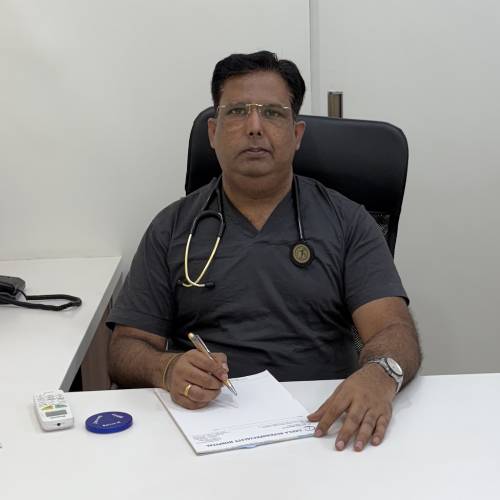
Dr. Sarang Barbind
Dr. Sarang Barbind is a trusted General Physician in Wakad PCMC and a leading diabetes specialist in Wakad, Pune practicing at Leela Superspeciality Hospital, Wakad. With a patient-centred approach and in-depth expertise in diabetes management and reversal, Dr. Sarang Barbind provides personalised treatment plans that combine dietary guidance, lifestyle counselling, HbA1c monitoring, and medication management to help patients achieve real, lasting results.
Whether you are newly diagnosed, looking to reduce your medication, or aiming for full diabetes remission — book your consultation with the best doctor for diabetes in Wakad, Pune today.
Call: +91 9175779020 / +91 9637311000
Location: Leela Superspeciality Hospital, Wakad, Pune
