
- 28/08/2026
- Dr. Kiran Ardad-Mane
- 0 Comments
- Dermatology
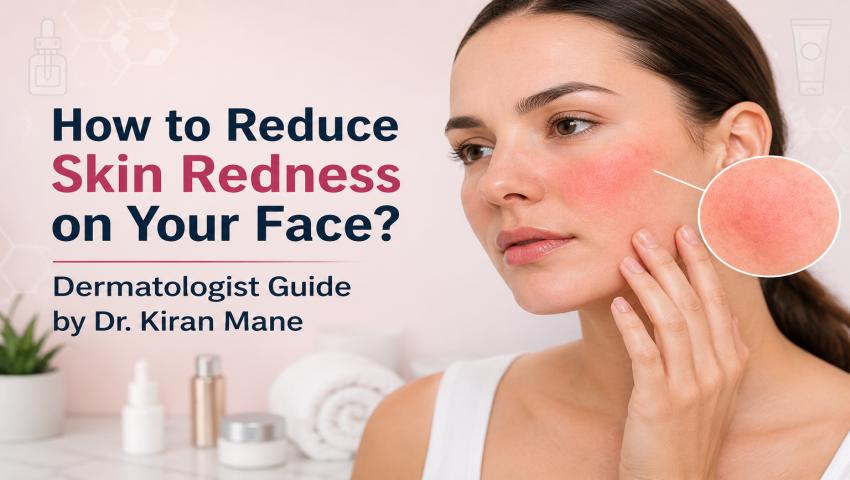
How to Reduce Skin Redness on Your Face? Dermatologist Guide by Dr. Kiran Mane
Medically Reviewed by: Dr. Kiran Ardad-Mane (Dermatologist & Skin Specialist, Leela Superspeciality Hospital, Wakad, Pune)
Waking up to blotchy skin, unexpected flushing, or persistent irritation can be frustrating. Whether it stems from summer heat, harsh skincare products, sun exposure, or underlying skin conditions, learning how to reduce skin redness on your face is crucial for maintaining a healthy, balanced skin barrier.
While temporary flushing often settles on its own, chronic facial inflammation requires a structured approach. This guide covers immediate emergency relief techniques, dermatologist-approved daily routines, active ingredient selections, and professional clinical care.
How to reduce skin redness on your face?
To calm facial redness fast, follow these dermatologist-recommended steps:
- Apply a Cold Compress: Cool the skin for 5 to 10 minutes using a clean cloth soaked in cool water to soothe inflamed skin on face and constrict dilated blood vessels.
- Switch to a Gentle Cleanser: Wash with a fragrance-free, hydrating red skin face wash that cleanses without stripping natural moisture.
- Use Anti-Inflammatory Actives: Apply a light serum containing Niacinamide or Azelaic Acid to target redness and calm irritation.
- Repair the Skin Barrier: Apply a ceramide-rich face cream for red skin to restore hydration.
- Apply Mineral Sunscreen Daily: Protect reactive skin with a non-nano Zinc Oxide SPF 50 sunscreen to prevent UV-induced flushing.
If you are dealing with persistent redness on face or sudden allergic flare-ups, consult an experienced dermatologist in Wakad for a personalized diagnosis.
Understanding Why Your Face Gets Red and Flushed:
Facial redness occurs when blood vessels near the skin surface dilate or when the skin barrier suffers inflammation. Identifying the underlying cause helps guide effective treatment.
1. Rosacea and Chronic Facial Flushing:
Rosacea is a chronic skin condition that causes persistent cheek flushing, visible blood vessels, and tiny face red bumps. Triggers include spicy foods, hot beverages, emotional stress, and temperature spikes. Learning how to treat rosacea redness requires tailored clinical management alongside delicate home care.
2. Damaged Skin Barrier and Over-Exfoliation:
Overusing strong AHA/BHA chemical exfoliants, retinol, or harsh facial scrubs destroys the outer lipid layer. When the barrier breaks down, skin becomes hypersensitive, causing noticeable inflammation on face and a skin burning on face sensation.
3. Allergic Reactions and Contact Dermatitis:
Using skincare or cosmetics containing artificial fragrances, essential oils, or harsh preservatives can cause allergic contact dermatitis. This presents as sudden red patches on face, swelling, and redness spot on skin areas that feel itchy or irritated. For severe or sudden allergic reactions, seeking dedicated skin allergy treatment in Pune ensures fast symptom relief and prevents secondary skin complications.
4. Sun Damage and Environmental Heat:
Excessive UV exposure damages delicate capillaries and causes sunburn. When the face is flushed after outdoor exposure, UV rays have triggered an inflammatory response beneath the epidermis.
5. Post-Acne Erythema (Post-Breakout Redness):
After acne breakouts heal, they often leave behind flat, pink or red marks known as post-inflammatory erythema (PIE). These marks occur due to damaged microscopic capillaries near the skin surface during pimple inflammation.
Emergency Remedies: How to Reduce Redness on Face Immediately?
1. Apply a Cold Compress or Chilled Spoon:
- How It Works: Low temperatures cause superficial facial blood vessels to constrict (vasoconstriction), reducing surface blood flow instantly.
- Execution: Soak a clean cotton washcloth in cool water, wrung out gently, and rest it over flushing cheeks for 5 to 10 minutes. Alternatively, press the back of a chilled spoon gently against red areas. Never apply ice cubes directly to sensitive skin, as extreme cold can cause ice burns.
2. Use Soothing Natural Ingredients (Aloe Vera & Centella Asiatica):
- How It Works: Pure aloe vera gel and Centella Asiatica (Cica) contain anti-inflammatory compounds that calm irritated tissue.
- Execution: Apply a thin layer of pure, fragrance-free aloe vera gel or a Cica serum to clean skin to cool down the surface temperature.
3. Spray a Hydrating Thermal Water Mist:
- How It Works: Mineral-rich thermal spring water sprays calm skin reactivity and lower cutaneous temperature.
- Execution: Mist thermal water evenly across your face and gently pat dry with a soft tissue.
Step-by-Step Daily Skincare Routine for Red Skin:
Step 1
Wash with a Gentle Hydrating Face Wash for Red Skin:
- Select a sulfate-free, non-foaming red skin face wash containing ingredients like glycerin, colloidal oatmeal, or green tea extract.
- Wash gently using cool or lukewarm water. Avoid hot water, which dilates capillaries and worsens flushing.
Step 2
Apply Anti-Inflammatory Actives (Niacinamide & Azelaic Acid):
- Niacinamide (Vitamin B3): Strengthens barrier function, reduces water loss, and calms surface redness at 2% to 5% concentrations.
- Azelaic Acid: Highly effective for persistent redness, skin redness around nose areas, and bumps associated with rosacea.
Step 3
Seal with a Barrier Repair Face Cream for Red Skin:
- Nourish reactive skin using a dedicated face cream for red skin enriched with ceramides, squalane, fatty acids, and hyaluronic acid.
- These ingredients rebuild damaged intercellular lipids, locking in hydration while keeping environmental irritants out.
Step 4
Protect Daily with a Broad-Spectrum Mineral Sunscreen:
- Chemical sunscreens can sometimes cause stinginess on inflamed skin.
- Opt for physical/mineral sunscreens containing non-nano Zinc Oxide or Titanium Dioxide. Zinc oxide offers natural soothing, anti-inflammatory benefits while reflecting UV rays.
Sun Damage Note: If chronic UV exposure has left behind lasting redness or broken facial vessels, targeted pigmentation and sun damage treatment can restore an even complexion.
Skincare Ingredients: What to Embrace vs. What to Avoid?
Lifestyle Changes to Prevent Sudden Face and Cheek Flushing:
Managing internal and environmental triggers is key to learning how to remove redness from face flare-ups over time.
- Avoid Hot Water Exposure: Take lukewarm showers and refrain from washing your face under hot shower streams.
- Identify Dietary Triggers: Keep a food journal to monitor whether spicy dishes, alcohol, hot coffees, or processed foods trigger cheek flushing.
- Protect Skin in Cold or Hot Weather: Wear broad-brimmed hats in summer and cover your face with soft scarves during cold, windy weather.
- Manage Stress Levels: High stress triggers cortisol release, increasing internal skin inflammation. Practice deep breathing exercises, yoga, or daily walking.
Professional Clinical Treatments for Persistent Face Redness:
When home remedies and over-the-counter routines are insufficient for treating persistent flushing skin, professional medical procedures offer effective long-term solutions.
- Prescription Topical Medications: Dermatologists can prescribe targeted topical gels (such as ivermectin, metronidazole, or oxymetazoline) to calm localized inflammation and constrict enlarged facial capillaries safely.
- Mild Chemical Peels: Gentle, medical-grade peels using mandelic or lactic acid remove dead skin cells without harming fragile capillaries. For post-acne marks, a tailored chemical peel treatment accelerates cell turnover and reduces post-breakout redness.
- Advanced Energy and Light Therapies (IPL/Vascular Lasers): Pulsed Dye Lasers (PDL) and Intense Pulsed Light (IPL) specifically target hemoglobin in dilated blood vessels, sealing them without damaging surrounding skin tissue. This offers dramatic improvement for persistent rosacea redness and visible spider veins.
When to See a Dermatologist for Facial Redness?
Schedule a consultation with a qualified skin specialist if you notice:
- Redness that lasts longer than two weeks without improvement.
- Accompanied pain, burning, peeling, or pus-filled bumps.
- Redness spreading to eye areas or causing swelling.
- Facial flushing triggered by daily activities that impacts your confidence.
Book Your Confidential Consultation at Leela Superspeciality Hospital:
Don’t let uncomfortable face redness disrupt your confidence and daily comfort. Schedule a consultation with Dr. Kiran Ardad-Mane to diagnose the root cause of your skin inflammation and restore a calm, clear complexion.
- Hospital: Leela Superspeciality Hospital, Wakad, Pune
- Dermatologist: Kiran Ardad-Mane (Skin Specialist & Dermatologist)
- Location: Fourth floor, Westwood Estates Commercial Complex, 403-404, Kaspate Wasti, Wakad, Pune, Pimpri-Chinchwad, Maharashtra 411057
- Book Appointment: Call 7689892020 / 9322300500
FAQs About How to Reduce Skin Redness on Your Face?
To lower redness fast, apply a clean cold compress or chilled cloth to flushing areas for 5 to 10 minutes. Mist your face with soothing thermal water and apply a pure, fragrance-free gel containing aloe vera or Centella Asiatica to cool the skin and constrict surface blood vessels.
Sudden facial flushing occurs when superficial blood vessels dilate rapidly. Common triggers include emotional stress, rapid temperature changes, hot or spicy foods, alcohol consumption, sun exposure, allergic contact reactions, or underlying conditions like rosacea.
No. While persistent central facial redness is a hallmark sign of rosacea, facial redness can also be caused by sun damage, contact dermatitis, a compromised skin barrier, eczema, seborrheic dermatitis, or post-acne inflammation (PIE). A proper clinical diagnosis helps identify the exact cause.
The best moisturizers for red skin contain barrier-repairing lipids such as ceramides, squalane, hyaluronic acid, and panthenol, alongside soothing ingredients like niacinamide or colloidal oatmeal. Always choose fragrance-free, hypoallergenic, non-comedogenic formulas.
As an experienced dermatologist, Dr. Kiran Ardad-Mane evaluates your skin type, barrier health, and underlying triggers at Leela Superspeciality Hospital. He creates customized treatment plans combining prescription skincare, targeted barrier repair regimens, and advanced clinical procedures to safely eliminate redness.
