
- 02/09/2026
- Dr. Sarang Barbind
- 0 Comments
- General Medicine
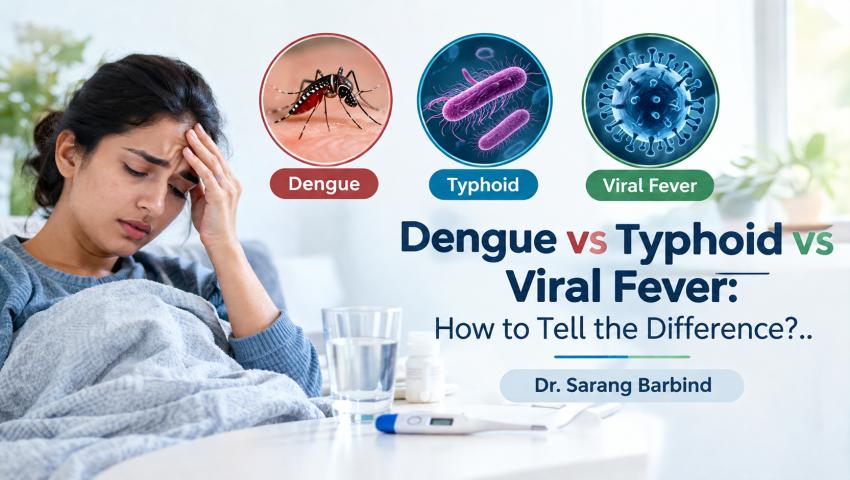
Dengue vs Typhoid vs Viral Fever: How to Tell the Difference?
When a sudden fever strikes, knowing whether it is Dengue vs Typhoid vs Viral Fever is crucial for getting the right treatment quickly. While all three conditions cause elevated body temperature and fatigue, they stem from different causes, require distinct medical approaches, and carry different health risks.
In this guide, Dr. Sarang Barbind, Consultant General Physician & Internal Medicine Specialist at Leela Superspeciality Hospital, Wakad, breaks down the exact differences in symptoms, blood test reports, and treatment steps to help you stay safe.
Dengue vs Typhoid vs Viral Fever: Key Differences
Understanding the difference between Dengue, Typhoid, and Viral Fever helps you act before complications arise. Here is a side-by-side comparison of how these three conditions differ:
Dengue Fever: Symptoms, Transmission, and Platelet Risks
Dengue is a mosquito-borne viral illness spread by the daytime-biting Aedes aegypti mosquito. It is widely known for causing severe muscle discomfort and rapid platelet drops.
How Dengue Spreads in Monsoons?
Monsoon and post-monsoon seasons lead to stagnant water accumulation, creating breeding grounds for mosquitoes. A single bite from an infected mosquito transfers the virus into the bloodstream.
Classic Symptoms of Dengue Fever:
- High-grade fever peaking suddenly.
- Retro-orbital pain (pain behind the eyes).
- Intense muscle, joint, and bone aches (“breakbone fever”).
- Pinpoint skin rashes appearing around day 3 to day 5.
- Persistent nausea and loss of appetite.
Critical Warning Signs and Platelet Drop:
A key concern in severe Dengue is the sudden decline in blood platelets. If your platelet count drops sharply, it can lead to internal bleeding.
Warning: Contact a doctor immediately if you notice red spots on the skin, bleeding gums, nosebleeds, or persistent vomiting. Avoid taking NSAIDs like Ibuprofen or Aspirin during a fever unless advised by a physician, as these medications increase bleeding risks.
Typhoid Fever: Bacterial Infection Signs and Progression
Unlike viral infections, Typhoid fever is a bacterial infection caused by Salmonella Typhi. It spreads primarily through contaminated food and drinking water.
Contaminated Water and Food Transmission:
Eating outside food handled with poor hygiene or drinking untreated water allows the bacteria to enter the digestive tract, leading to systemic infection.
The Step-Ladder Fever Pattern in Typhoid:
- Week 1: Body temperature rises gradually each day in a “step-ladder” pattern.
- Week 2: Fever remains constantly high, accompanied by severe physical exhaustion.
- Week 3: Complications can arise if untreated, though fever may gradually recede with antibiotics.
Gastrointestinal Symptoms and Duration:
- Persistent abdominal pain and stomach bloating.
- Constipation in adults or watery diarrhoea in children.
- A characteristic white coating on the tongue.
- Loss of appetite and generalized weakness lasting weeks.
Viral Flu & Seasonal Fevers: Respiratory Signs
Seasonal viral fevers are common respiratory infections that spread through air droplets or contact with contaminated surfaces.
Droplet Transmission and Airborne Spread:
Coughing, sneezing, or touching shared objects transfers the virus quickly within households or workplaces.
Flu vs Dengue: Key Distinguishing Factors
- Viral Flu: Includes respiratory symptoms like a sore throat, runny nose, persistent cough, and mild body aches.
- Dengue Fever: Rarely includes respiratory symptoms like a runny nose or sore throat; instead, it causes severe eye pain and intense joint aches.
Expected Recovery Timeline for Viral Fevers:
Most seasonal viral fevers run their course in 3 to 5 days with adequate hydration, rest, and supportive care.
Essential Blood Tests for Identifying Fever Causes:
Complete Blood Count (CBC) and Platelet Testing:
A CBC measures white blood cell counts and monitors platelet levels. A falling platelet count indicates a potential Dengue infection.
Dengue NS1 Antigen & IgM/IgG Tests:
1. Dengue NS1 Antigen Test: Detects the dengue virus from Day 1 to Day 5 of the fever. 2. Dengue IgM/IgG Antibodies: Used if the fever has lasted longer than 5 days.
Typhoid Blood Culture and Typhidot Test:
A blood culture is the most accurate typhoid fever blood test name for early detection. Typhidot tests check for specific IgM and IgG antibodies against Salmonella Typhi.
Tropical Fever Panel Tests:
When symptoms are ambiguous, doctors recommend a full fever profile test list (tropical fever panel) that screens for Dengue, Typhoid, Malaria, and viral markers simultaneously.
When to Consult a General Physician Immediately?
Do not ignore a persistent fever. Schedule an evaluation with a healthcare professional if you experience any of the following:
- Fever lasting more than 48 to 72 hours.
- Temperature staying above 102°F despite medication.
- Severe stomach pain, persistent vomiting, or inability to hold fluids down.
- Signs of bleeding (nosebleeds, bleeding gums, or dark stools).
- Extreme drowsiness, confusion, or difficulty breathing.
For specialized clinical evaluation, book an appointment with the Best General Physician in Wakad for accurate diagnostic testing and specialized Fever Treatment in Wakad.
Treatment Protocols: Rest, Hydration, and Medical Care
Why Antibiotics Do Not Work for Dengue or Viral Flu?
Antibiotics kill bacteria; they have no effect on viral infections like Dengue or the Viral Flu. Taking unprescribed antibiotics for viral fevers can lead to antibiotic resistance and digestive complications. Antibiotics are only prescribed when tests confirm a bacterial infection like Typhoid.
Managing High Fever Safely at Home:
- Hydration: Drink plenty of oral rehydration fluids (ORS), coconut water, clear soups, and water.
- Rest: Allow your body complete physical rest to recover.
- Fever Control: Use Paracetamol strictly as advised by your physician.
- Sponge Baths: Apply tepid water sponge baths on the forehead and arms to bring down high temperatures safely.
Hospital Care and ICU Support at Leela Superspeciality Hospital:
If fever complications arise, Leela Superspeciality Hospital in Wakad provides round-the-clock emergency medical care, advanced diagnostic laboratories, and intensive care monitoring under expert medical supervision.
Expert Fever Consultation with Dr. Sarang Barbind in Wakad, Pune:
If you or a family member is suffering from persistent high fever, body pain, or weakness, seek timely medical care to prevent complications.
- Doctor: Sarang Barbind (MBBS, DNB – General Medicine)
- Speciality: Consultant General Physician, Internal Medicine & Fever Specialist
- Hospital: Leela Superspeciality Hospital, Wakad, Pune
- Location: 4th Floor, Westwood Estates Commercial Complex, Kaspate Wasti, Wakad, Pune, PCMC – 411057
- Appointment Booking: Call +91 76 8989 2020 / +91 96373 11000
FAQs About Dengue vs Typhoid vs Viral Fever:
Dengue causes sudden high fever with severe joint pain and retro-orbital (eye) pain. Typhoid causes a step-ladder fever accompanied by severe stomach pain and digestive issues. Viral Flu causes moderate fever along with respiratory symptoms like a cough, sore throat, and runny nose. Dr. Sarang Barbind recommends getting a clinical diagnosis within 48 hours of fever onset.
A Complete Blood Count (CBC) along with a Dengue NS1 Antigen test confirms Dengue, while a Blood Culture or Typhidot test confirms Typhoid. You can get a comprehensive fever blood test report at Leela Superspeciality Hospital in Wakad.
A seasonal viral flu fever typically lasts 3 to 5 days. Dengue fever usually lasts 5 to 7 days, but the critical phase occurs when the fever drops, requiring close monitoring of platelet counts for another 48 hours.
Yes, it is possible to have a co-infection of Dengue and Typhoid at the same time. Co-infections require careful medical supervision by expert physicians like Dr. Sarang Barbind at Leela Superspeciality Hospital to manage both viral and bacterial complications safely.
A normal platelet count ranges from 1,500,000 to 450,000 cells per microliter of blood. During Dengue, platelets can drop below 100,000. If counts fall below 20,000 to 50,000, close hospital observation or platelet transfusion may be required.
