
- 05/09/2026
- Dr. Akhil Mane
- 0 Comments
- Urology
10 Foods That Boost Testosterone Naturally
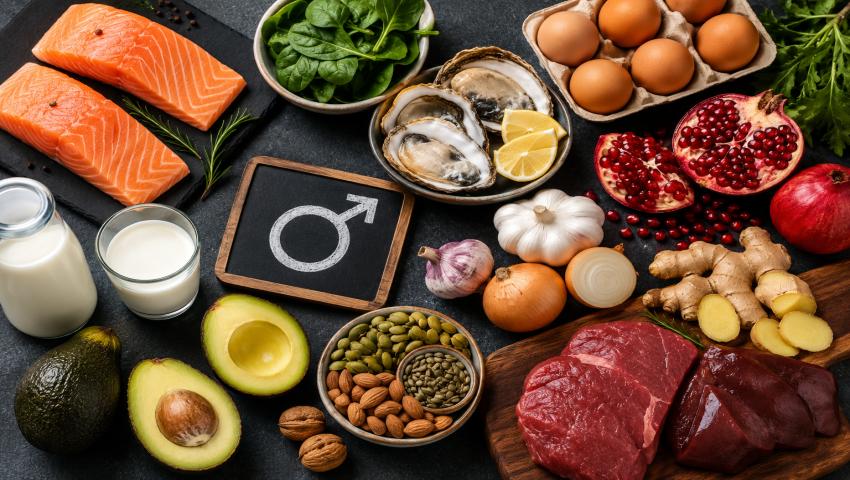
Testosterone is the primary male sex hormone responsible for muscle mass, bone density, energy levels, mood regulation, and sexual vitality. As men age, testosterone levels naturally decline by about 1% per year after age 30. However, factors like poor diet, high stress, lack of sleep, and a sedentary lifestyle can accelerate this drop.
While severe hormonal deficiencies require medical evaluation, your daily diet plays a foundational role in maintaining healthy hormone levels. Understanding how to boost testosterone levels starts with choosing the right nutrients. In this guide, Dr. Akhil S. Mane, leading Andrologist and Urologist in Pune, explores Foods That Boost Testosterone, including the top testosterone booster foods backed by science, how they work in your body, and when it is time to seek medical care.
What Key Nutrients Are Essential to Increase Testosterone Naturally?
To produce testosterone efficiently, your endocrine system relies on specific vitamins and minerals:
- Zinc: Essential for Leydig cells (the specialized cells in the testes that produce testosterone). A deficiency in zinc can directly cause a drop in testosterone levels.
- Vitamin D: Functions like a hormone in the body. Adequate Vitamin D levels are strongly linked to higher total and free testosterone.
- Magnesium: Helps free up bound testosterone by reducing sex hormone-binding globulin (SHBG) levels in the blood.
- Healthy Fats: Dietary cholesterol and monounsaturated fats serve as the basic structural building blocks for steroid hormone production.
10 Testosterone Booster Foods Recommended by Doctors:

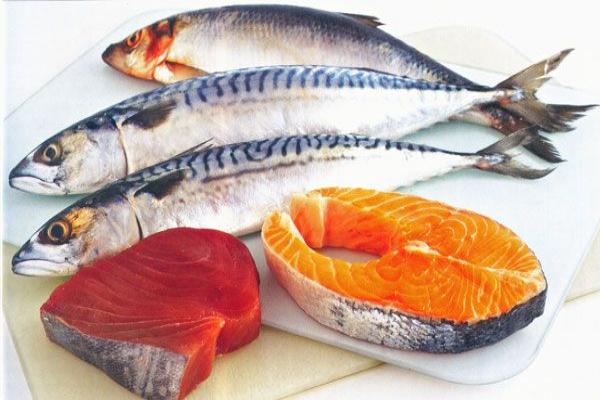
1. Fatty Fish (Salmon, Mackerel, Sardines):
Fatty fish are loaded with Vitamin D, zinc, and omega-3 fatty acids. Since Vitamin D deficiency is directly linked to low testosterone, eating fatty fish regularly provides a natural hormonal boost.

2. Eggs (With the Yolk):
Whole eggs are one of the most effective testosterone rich foods. Egg yolks contain dietary cholesterol, which is the direct precursor required by the body to synthesize testosterone. They also provide high-quality protein, selenium, and healthy fats.
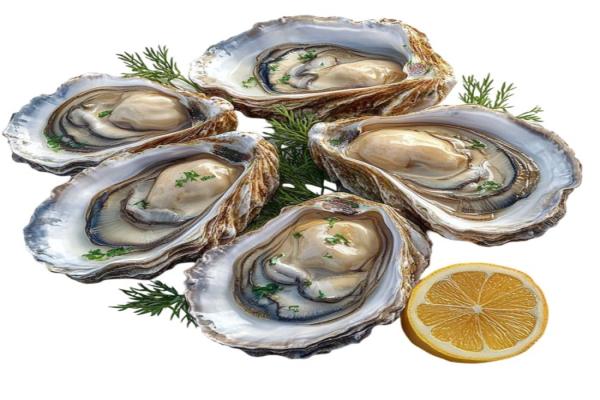
3. Oysters and Shellfish:
Oysters contain more zinc per serving than any other food. Zinc is critical for male reproductive health, sperm quality, and maintaining testosterone production.
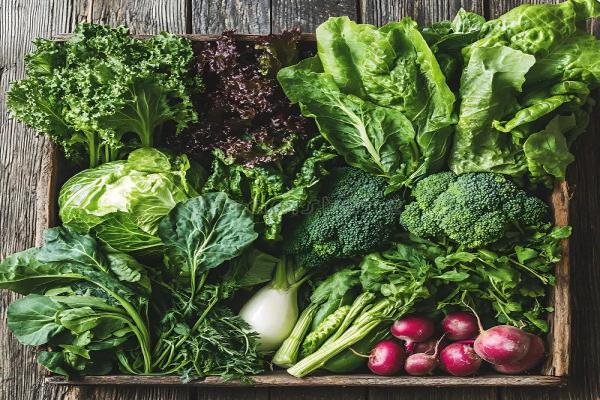
4. Dark Leafy Greens (Spinach, Kale, Swiss Chard):
Dark leafy greens are rich in magnesium. Studies show that increasing magnesium intake helps raise free and total testosterone levels in both active and sedentary men.
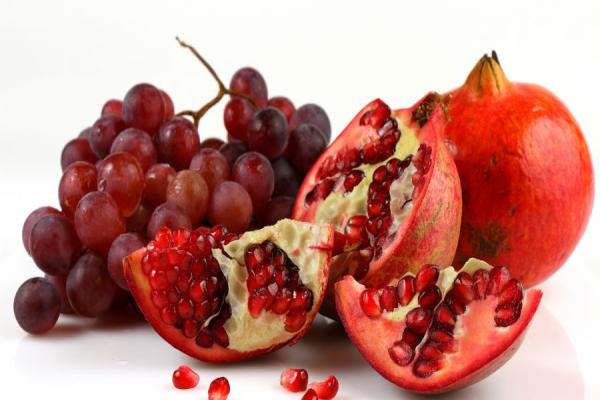
5. Pomegranates:
Pomegranates are packed with potent antioxidants. Drinking pomegranate juice or eating the seeds helps lower cortisol (the stress hormone), which prevents cortisol from suppressing testosterone production.
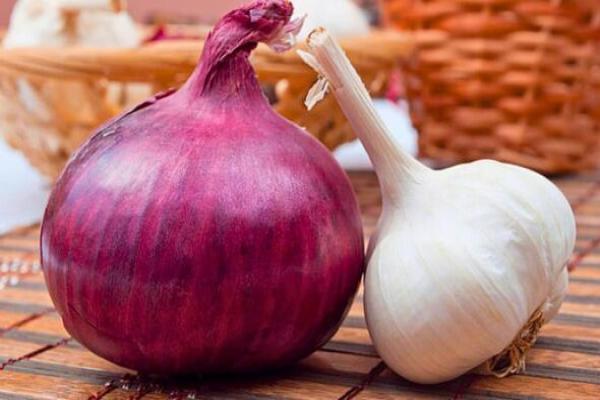
6. Garlic and Onions:
Garlic and onions contain compounds called diallyl disulfide and flavonoids. These natural nutrients stimulate the pituitary gland to release luteinizing hormone (LH), which signals the testicles to produce more testosterone.
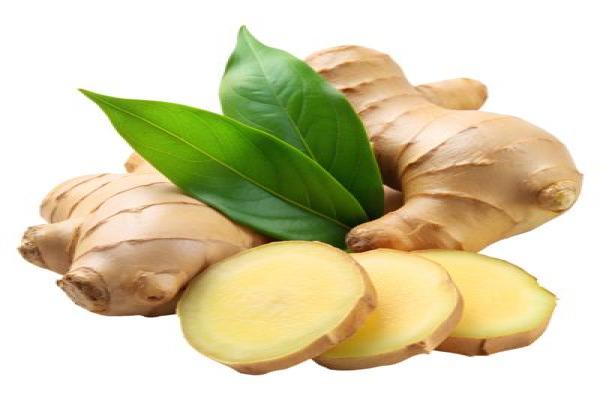
7. Ginger:
Ginger has been shown to reduce oxidative stress in testicular tissue and boost testosterone production. Adding fresh ginger to your daily diet supports healthy hormone levels and overall circulatory health.
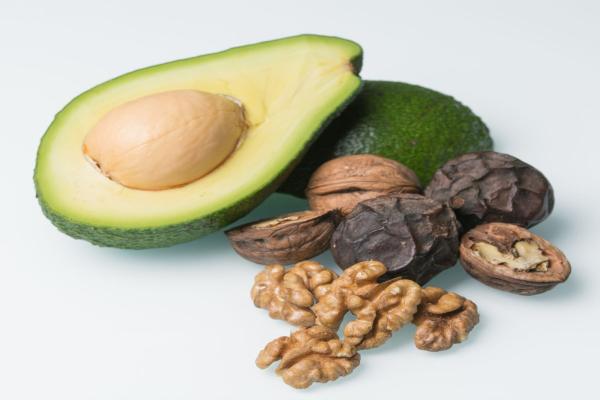
8. Avocados, Nuts, and Pumpkin Seeds:
Avocados deliver essential monounsaturated fats, while pumpkin seeds and almonds are high in zinc and magnesium. This combination supports overall endocrine stability.
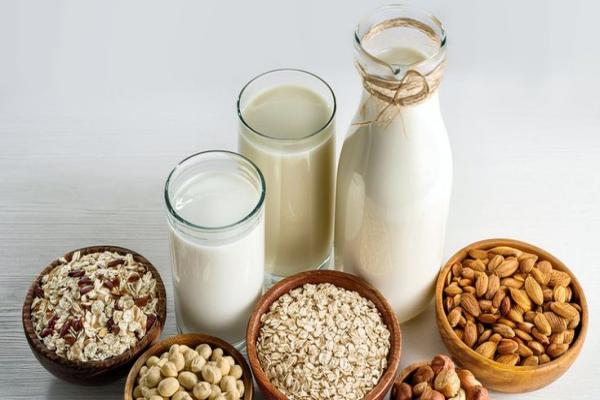
9. Fortified Dairy and Plant-Based Milks:
Milk fortified with Vitamin D supports bone density and hormone synthesis. It is a simple daily addition to ensure you meet your minimum Vitamin D requirements.
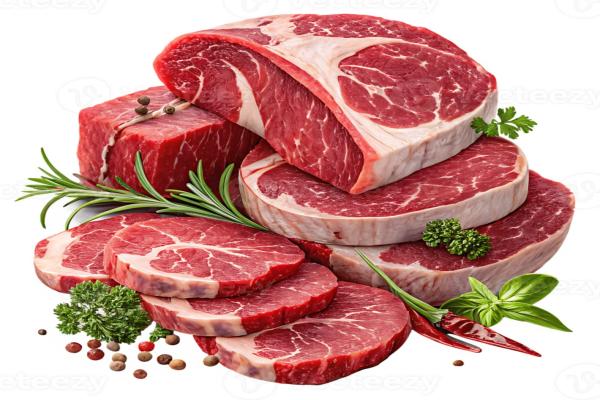
10. Lean Beef and Organ Meats:
Lean red meat is a rich source of bioavailable zinc, iron, and Vitamin B12. Moderate consumption provides the raw building blocks required for optimal male hormonal health.
What Foods Lower Testosterone and Should Be Avoided?
Knowing how to increase the testosterone hormone requires eliminating foods that lower your levels. Limit or avoid:
- Excessive Alcohol: Chronic alcohol consumption disrupts the hypothalamic-pituitary-gonadal axis, leading to lower testosterone production.
- Ultra-Processed Foods & Trans Fats: High consumption increases body fat, which contains the aromatase enzyme that converts testosterone into estrogen.
- Refined Sugars: High sugar intake triggers insulin spikes, which acutely reduce circulating free testosterone levels.
- Excess Unfermented Soy: Very high consumption of phytoestrogens may alter hormone balances in sensitive individuals.
Simple Lifestyle Steps to Support Testosterone Production:
Diet works best when paired with healthy habits:
- Get 7–8 Hours of Quality Sleep: The majority of daily testosterone release occurs during deep REM sleep.
- Engage in Heavy Resistance Training: Compound exercises like squats, deadlifts, and bench presses trigger an acute hormonal boost.
- Manage Stress Levels: High stress raises cortisol, which directly antagonizes and reduces circulating testosterone.
When to Consult an Andrologist in Pune?
While eating a nutrient-rich diet is a great starting point, persistent hormonal issues require professional diagnosis. A simple Serum Total and Free Testosterone Blood Panel can accurately determine your hormone levels.
If you are experiencing symptoms of low testosterone or male reproductive health concerns, consult Dr. Akhil S. Mane for expert clinical care.
- Hospital: Leela Superspeciality Hospital, Wakad, Pune
- Doctor Profile: Akhil Mane (Andrologist and Urologist in Pune)
- Location: Fourth floor, Westwood Estates Commercial Complex, 403-404, Kaspate Wasti, Wakad, Pune, Pimpri-Chinchwad, Maharashtra 411057
- Appointment Line: 7689892020
FAQs About Testosterone Booster Foods:
No. While testosterone booster foods help support natural hormone production in healthy individuals, diet alone cannot cure clinical hypogonadism or underlying medical conditions. If your testosterone levels are severely low, specialized medical evaluation and treatment at Leela Superspeciality Hospital are recommended.
Foods rich in zinc and Vitamin D—such as oysters, fatty fish, egg yolks, and spinach—provide the quickest nutritional support for testosterone synthesis. However, dietary changes typically take several weeks to show noticeable improvements in energy and hormone levels.
Yes. Garlic contains diallyl disulfide, a plant compound that stimulates the release of luteinizing hormone (LH) from the pituitary gland. LH signals the testicles to produce more testosterone.
You should consult a specialist if you experience persistent symptoms such as severe fatigue, unexplained weight gain, loss of muscle mass, low libido, erectile dysfunction, or mood swings. Dr. Akhil S. Mane provides comprehensive hormonal testing and evaluation at Leela Superspeciality Hospital Wakad.